
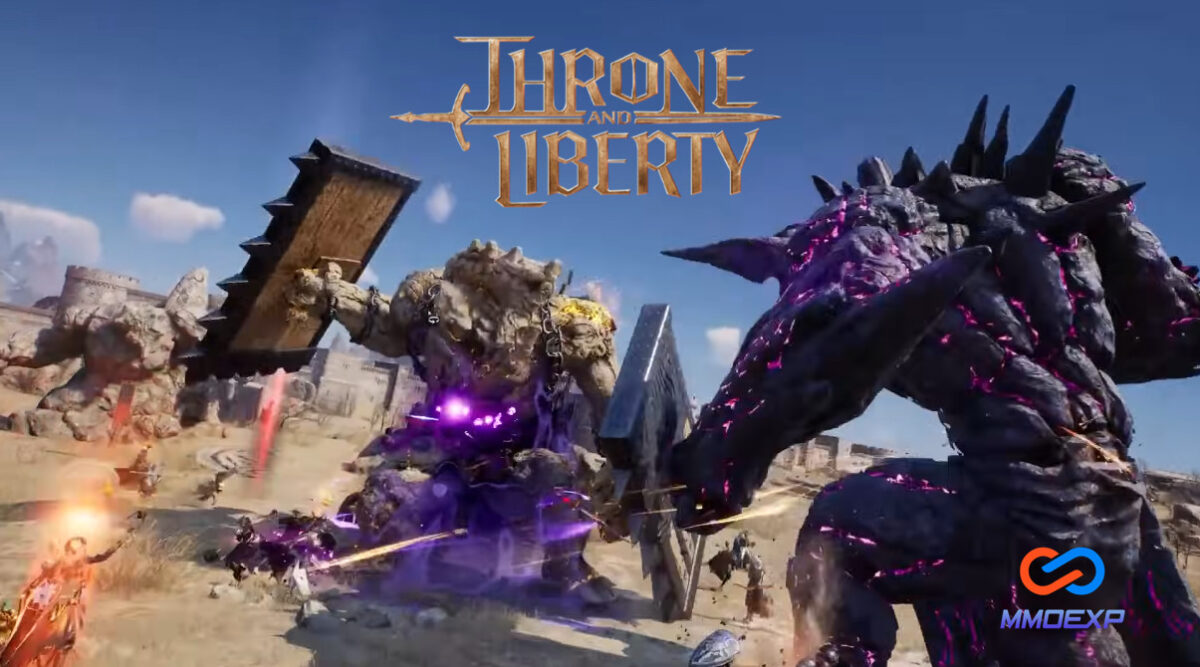
In Throne and Liberty, a vast, immersive MMORPG developed by NCSOFT, players are given a wide array of weapon combinations and character abilities to explore as they venture through its rich world. However, not all weapon combos are created equal. Some can make your gameplay smoother and more enjoyable, while others can present considerable challenges. There are certain weapon pairings that, when combined, can create significant difficulties, both in terms of combat efficiency and overall progression.
In this article, we will delve into 7 weak weapon combinations in Throne and Liberty that can make the game significantly harder. These pairings struggle to provide the versatility, damage output, or survivability needed in tougher encounters, making them less than ideal for players looking to succeed in this dynamic world.
1. Sword and Shield + Staff
One of the more unconventional pairings in Throne and Liberty Lucent, combining a sword and shield with a staff is a recipe for frustration. On paper, these two weapons seem like they should complement each other; the sword and shield offer defensive prowess while the staff provides magical range and AoE damage. Unfortunately, the reality is much less harmonious.
The sword and shield combo is built for tanking, focused on defense, durability, and holding enemies at bay. The staff, on the other hand, is tailored for mages and spellcasters, relying on distance and spells to deal damage. The issue with this combo lies in their roles: the sword and shield combo is designed for close-quarters combat and defense, while the staff demands you stay at a distance and focus on casting spells.
As a result, players who choose this combination find themselves unable to excel at either role. They struggle to tank effectively due to lackluster offensive capabilities, and they can’t fully embrace the mage role due to the defensive nature of the sword and shield. The result is a disjointed playstyle that leaves players vulnerable, especially in group combat or PvP encounters where synergy is key.
Key Problems:
Lack of offensive power from the sword and shield.
Difficulty casting spells effectively due to proximity combat demands.
Poor synergy between defensive and ranged playstyles.
2. Greatsword + Bow
While both the greatsword and the bow are formidable weapons in their respective right, combining them into one character’s arsenal can create problems for players looking for a streamlined, efficient combat experience.
The greatsword is a weapon designed for high damage output, cleaving through enemies with powerful melee swings. It thrives in close-range combat where the player can deal devastating blows up close. The bow, however, is a ranged weapon best suited for picking off enemies from a distance, with an emphasis on precision and positioning.
When paired together, this combination becomes a jarring mismatch. The greatsword requires the player to close the gap and engage enemies in melee range, but once they do, their ranged bow abilities become irrelevant. Similarly, when attempting to use the bow at a distance, the greatsword’s slow attack speed and cumbersome moveset leave players unable to deal with threats effectively.
This combination forces the player into a state of constant repositioning and switching between ranged and melee combat, which can lead to inefficient rotations, poor damage output, and vulnerability during the transition between weapons.
Key Problems:
Constant need to switch between melee and ranged combat disrupts fluid gameplay.
The greatsword’s slow attack speed doesn’t mesh well with the ranged playstyle of the bow.
Ineffective against enemies that require a more specialized approach, such as fast-moving or ranged foes.
3. Dagger + Heavy Crossbow
Dagger and heavy crossbow make for one of the most odd and ineffective weapon combos in Throne and Liberty. On paper, the dagger is an agile, close-range weapon that focuses on quick strikes and mobility. The heavy crossbow, in contrast, is a slow, cumbersome weapon designed for long-range precision and high damage output.
The issue with this combination lies in their inherent contradictions. The dagger excels in situations where speed, precision, and close-range combat are necessary. Its light weight and fast attack speed allow players to quickly deal with foes at close range. Meanwhile, the heavy crossbow excels in long-distance encounters where damage output and aim are crucial.
By combining these two, players are left unable to fully leverage the strengths of either weapon. The heavy crossbow’s slow reload time and cumbersome handling make it impractical in close-quarters combat, where the dagger excels. Similarly, the dagger’s rapid attack speed becomes irrelevant when attempting to use a weapon that requires careful aiming and long-distance engagement.
Key Problems:
Poor synergy between close-range and long-range combat.
The heavy crossbow’s slow reload time makes it ineffective in high-speed situations.
Dagger’s fast pace doesn’t align with the crossbow’s slow, precise nature.
4. Spear + Staff
The spear is a versatile weapon, known for its long reach and ability to poke enemies from a distance in close combat. The staff, on the other hand, is primarily a magical tool designed for casting powerful ranged spells. While both weapons serve distinct purposes, they do not complement each other well when used in tandem.
The spear demands precise positioning and timing in combat, with the user needing to close the gap to deal effective damage. The staff, however, is better suited for players who wish to maintain distance from enemies, utilizing spells to damage foes from afar. This makes it difficult for players to coordinate their movements and actions when forced to constantly juggle between using the spear for melee attacks and the staff for casting spells.
Additionally, the spear’s reliance on positioning means that the player has to get in close to enemies, negating the benefits of the staff’s ranged abilities. Conversely, when trying to engage at range, the spear’s lack of projectile capability makes it difficult to keep up with enemies at a distance.
Key Problems:
The spear’s close-range nature makes it hard to use in combination with the ranged staff.
Requires constant repositioning, making it difficult to maximize both weapon types.
Weakness against enemies that are hard to approach.
5. Axe + Heavy Crossbow
The combination of an axe and heavy crossbow presents similar problems as the dagger and crossbow pairing, but with slightly different issues due to the axe’s characteristics. The axe is designed to deal devastating single-target damage with heavy swings and is great for up-close combat against tougher enemies.
However, the heavy crossbow is a slow, powerful ranged weapon that takes time to reload and aim. The slow pace of the axe player, who typically focuses on powerful but slow strikes, becomes counterproductive when switching to the ranged crossbow, which requires careful targeting and precision. This pairing becomes frustrating because, at close range, the player is better suited for melee combat, and at long range, the crossbow becomes cumbersome.
The major problem with this combination is the inability to deal efficiently with both melee and ranged threats. The axe is too slow for effective ranged combat, while the crossbow cannot function effectively in close-quarters, especially when the player is focused on axe swings.
Key Problems:
Slow melee and slow ranged combat make this combo unappealing.
Inefficiency when facing fast-moving or ranged enemies.
Difficulty executing quick transitions between weapon types.
6. Dual Daggers + Greatsword
Dual daggers excel at fast-paced, high-damage, and agile attacks, perfect for players who want to focus on high mobility and quick strikes. The greatsword, on the other hand, excels at powerful, slow strikes and sweeping attacks designed for crowd control and heavy damage against a few enemies.
Combining dual daggers and a greatsword is a mismatch in playstyles. The dual daggers require the player to dart around the battlefield, quickly switching between enemies, while the greatsword demands slower, more calculated movements. Players trying to juggle both weapons at once will find it difficult to commit to one fighting style without leaving themselves open or losing effectiveness.
While the daggers may work in skirmishes against weaker enemies, the greatsword is more suited for tanking and crowd control, which makes it difficult to integrate into a fast-paced, high-damage playstyle.
Key Problems:
Dual daggers demand speed and mobility, while the greatsword requires slower, more deliberate movements.
Difficulty in switching between two vastly different combat styles.
Low versatility in combat against multiple or high-health enemies.
7. Hammer + Bow
Lastly, the combination of a hammer and a bow is another example of a pairing that struggles to make sense in Throne and Liberty. The hammer is a heavy, blunt weapon meant for close-range combat with devastating hits, while the bow is designed for ranged attacks with precision.
The primary issue with this combo is the discrepancy between the close-range nature of the hammer and the ranged precision of the bow. Players trying to make use of both will find it difficult to switch between the two in the heat of battle, as they demand entirely different approaches. The hammer’s slow swing speed and heavy hits make it unsuitable for long-range combat, while the bow becomes ineffective in close-quarters combat against enemies who are too close to target.
Key Problems:
The hammer’s slow, powerful swings contradict the ranged precision needed for the bow.
Inefficient at handling both ranged and close-quarters threats.
Difficult to switch between two weapon types that require entirely different combat approaches.
Conclusion
While TL Lucent for sale offers a wide range of weapons and playstyles, these seven weapon combinations represent some of the least effective pairings in the game. Players choosing these combinations will face challenges in terms of combat efficiency, versatility, and overall effectiveness. To succeed in the world of Throne and Liberty, players should carefully consider their weapon choices, focusing on combos that complement each other and provide synergy for both offense and defense.
Understanding the weaknesses of these combos will help you avoid frustration and ensure that your journey through the game is both rewarding and manageable.