
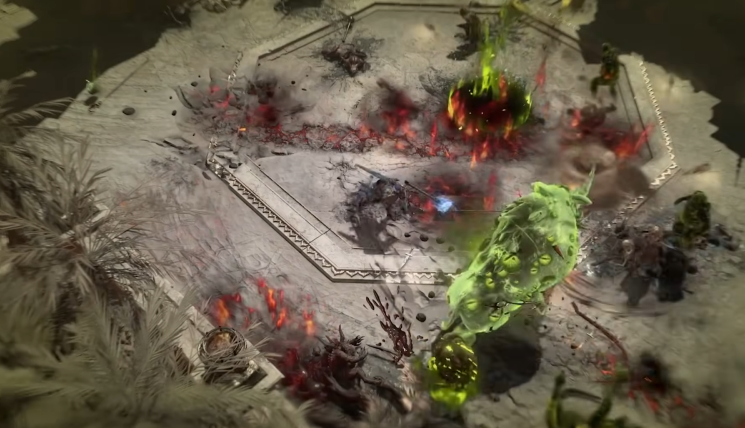
The 2.2.0 patch for Diablo 4 is a major update that brings sweeping changes across many facets of the game, including skill balancing, monster tuning, and quality-of-life improvements. This patch reflects Blizzard’s ongoing commitment to refining gameplay and addressing community feedback, especially around combat balance and class performance.
Let’s dive into the major highlights, focusing on what’s new, what’s been nerfed or buffed, and how it impacts your gameplay and build choices.
Vessel of Hatred & Rune Words Changes
One of the notable changes is to the Vessel of Hatred skill and associated Rune Words like Xan, Tec, and others:
The Xan rune’s duration increased from 0.25 to 0.35 seconds. Previously, this rune boosted damage; now it enhances the duration of the effect instead. This subtle change may shift how players time their attacks and coordinate burst damage windows.
Tec rune damage was reduced from 1000% to 700%, signaling a nerf to this powerful damage rune, but still keeping it viable for burst scenarios.
The Spiritborn class saw the Aspect of Apprehension move from Utility to Offensive, which may make this aspect a more aggressive choice for builds that focus on direct damage rather than defensive utility.
Damage buffs to Spiritborn’s Rushing Claw (from 60% to 80%) and Sepazontec (from 50-100% to 80-130%) suggest an overall push to improve Spiritborn’s offensive potential. Similarly, Sunbird’s Gorget received a damage increase and a functional change – it now makes your Storm Feathers a Jaguar Skill, adding new synergy and combo potential.
These changes make Spiritborn more versatile, encouraging players to experiment with aggressive builds that leverage these buffs and new mechanics.
Boss & Monster Changes: Belial, Harbinger, Urivar, Duriel, and More
Bosses and monsters have been rebalanced, mostly with damage reductions to make fights more manageable:
Belial’s Return sees significant nerfs: Flaming Skull damage is drastically cut (from 1800% to 450%), and related DoT bonuses are halved. The Eye Beams have fewer beams and less damage, plus shorter durations, which reduces the difficulty spike of this fight.
The Harbinger of Hatred’s Volley and Urivar also have damage reductions and cooldown adjustments, smoothing out difficulty and reducing frustration from rapid damage bursts.
Duriel’s Burrow damage halved, but dodge duration increased significantly (2 to 5 seconds), rewarding better dodging and positioning rather than tanking through damage.
Sinerat’s damage drastically reduced from 200% to 50%, signaling an attempt to make encounters more balanced.
These nerfs aim to strike a better balance between challenge and fairness, especially for solo players or those with less optimized gear.
Skill & Modifier Adjustments: Fine-Tuning Combat
Many primary powers and modifiers across various monsters and skills have been tuned:
For example, Avarice’s damage bonus per resource point is dramatically decreased, which could change the viability of resource-heavy playstyles.
Lilith has been buffed, with an increase in primary power damage and adjustments to the Blisters mechanic (capping their number per elite or boss, and limiting execution conditions), streamlining the encounter while retaining challenge.
The Wandering Death’s Chest Beam and Blackmailer’s Sabotage have had damage and barrier amounts adjusted to reduce overwhelming damage spikes and give players more breathing room.
Many primary powers now have cooldowns added (like Urivar’s 1-second cooldown), preventing skill spamming and encouraging strategic use.
Class Changes: Barbarian and Druid Updates
Barbarian:
Core abilities like Whirlwind get a significant damage boost (32% to 52%), and the Furious Whirlwind bleed damage triples, making Whirlwind builds more potent.
Resource costs for Double Swing, Hammer of the Ancients, Upheaval, and Rend are lowered, increasing the Barbarian’s sustained damage potential by enabling more frequent skill use.
Some abilities like Warrior’s Mighty Throw see damage bonuses sharply reduced, reflecting a rebalancing to favor core melee abilities.
Utility and combo skills like Steel Grasp received damage increases and charge boosts, making the Barbarian more resilient and impactful in combat.
Executioner’s Aspect damage per strength was reduced and capped, which tempers scaling but keeps it meaningful for burst damage builds.
Druid:
Storm Strike’s chain acquisition radius increased by 50%, meaning it can hit more targets and better clear packs.
Defensive buffs like Cyclone Armor get a boost in non-physical resist (15% to 20%), enhancing survivability against elemental attacks.
What These Changes Mean for You
This patch is designed to create a smoother, more balanced gameplay experience by:
Reducing extreme damage spikes from bosses and monsters, making encounters fairer and less punishing.
Buffing certain class skills and runes, particularly for Spiritborn and Barbarian, empowering players to experiment with new builds.
Adding cooldowns and damage caps to prevent skill spam and encourage tactical play.
Tuning utility skills and modifiers to improve synergy and effectiveness without overwhelming players.
Improving QoL and consistency, which helps with bug fixes and skill descriptions.
How to Adapt Your Gameplay
Spiritborn players should revisit builds that leverage the increased damage and utility of new runes and aspects. The shift in the Aspect of Apprehension’s category means rethinking skill trees and offensive capabilities.
Barbarians can confidently use Whirlwind and Furious Whirlwind in their rotations due to damage and cost adjustments, enabling better clear speed and DPS output.
Boss fights have been softened; this could be a great time to re-run tougher encounters for better loot or progress in Seasons without as much risk.
Keep in mind that cooldowns added to monster powers may allow for more tactical dodging or positioning during fights.
Final Thoughts
Diablo 4’s 2.2.0 patch is a significant step toward improving game balance and player experience. By cutting down boss damage, buffing certain class abilities, and streamlining skill mechanics, Blizzard encourages players to explore new builds and strategies without facing frustrating roadblocks.
And hey, if you’re interested, I can also point you to reliable sources for buying Diablo 4 gold and Diablo 4 items safely, so you can power up faster without hassle.
