OSRS Osmumten’s Fang Guide: Why It Dominates PvE

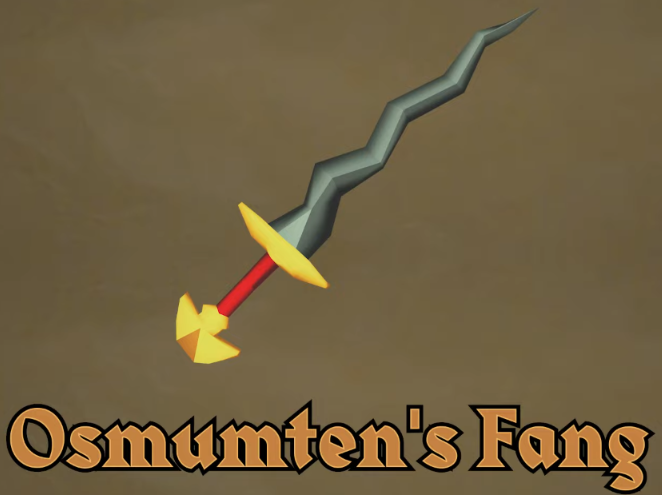
Osmumten’s Fang has become one of the most reliable and widely used melee weapons in Old School RuneScape. Unlike traditional weapons that rely heavily on max hit potential, the Fang focuses on consistency and accuracy, making it a top-tier choice for high-defense bosses and endgame PvE content.

In this guide, we’ll break down what makes Osmumten’s Fang so effective, where it shines, and whether it’s worth the investment for your account. We’ll also explore how players fund this powerful weapon using OSRS gold and efficient progression strategies.

What Makes Osmumten’s Fang Unique?

The Fang stands out due to its special accuracy mechanic. Instead of relying on a single accuracy roll like most weapons, it effectively benefits from a double accuracy roll system, dramatically increasing the chance of landing successful hits.

This mechanic changes everything. While many weapons struggle against high-defense enemies, the Fang remains consistent, making it one of the most dependable melee weapons in the game.

Key Strengths of Osmumten’s Fang

1. Exceptional Accuracy

The Fang’s biggest advantage is its ability to land hits where other weapons fail.

·Performs extremely well against high-defense bosses

·Reduces the number of missed attacks

·Maintains steady damage output

In encounters where accuracy is critical, this weapon often outperforms alternatives simply by landing more hits.

2. Reliable DPS Over Time

While some weapons rely on high max hits, they can be inconsistent. The Fang, on the other hand, delivers:

·Stable and predictable damage

·Fewer “zero-hit” attacks

·Strong average DPS across long fights

This consistency is especially valuable in raids and boss encounters where sustained performance matters more than occasional burst damage.

3. One-Handed Versatility

Like many top-tier melee weapons, Osmumten’s Fang is one-handed. This provides flexibility in your setup:

·Equip a defender for increased offensive bonuses

·Use a shield for added survivability

·Adapt your gear based on the encounter

This versatility makes it easy to integrate into a wide range of builds and situations.

Best Uses in PvE Content

Osmumten’s Fang truly shines in high-level PvE, particularly against enemies with strong defensive stats.

Top Use Cases

·Tombs of Amascut raid

·God Wars Dungeon bosses

·High-defense Slayer monsters

·Group PvM encounters

In these scenarios, the Fang’s consistent accuracy translates into faster kills and more efficient runs.

Fang vs Other Melee Weapons

When compared to other popular melee weapons, the Fang offers a unique balance of reliability and performance.

Against Low-Defense Enemies

Weapons like the Abyssal Tentacle or Ghrazi Rapier may outperform the Fang due to higher attack speed or max hit potential.

Against High-Defense Enemies

This is where the Fang dominates:

·Outperforms many traditional melee weapons

·Provides steady DPS without relying on luck

·Reduces frustration from missed hits

Because of this, the Fang is often considered a “safe default” weapon for unknown or mixed-defense encounters.

PvP Viability: Not Its Strong Suit

Although Osmumten’s Fang is powerful, it is not designed for PvP.

·Lacks burst damage potential

·No strong knockout mechanics

·Better suited for sustained damage rather than quick kills

In PvP, weapons like the Voidwaker or Armadyl Godsword are generally more effective. The Fang remains firmly focused on PvE efficiency.

Gear and Stat Considerations

To maximize the effectiveness of Osmumten’s Fang, players should build around its strengths.

Important Factors

·High Strength level for increased damage output

·Strong melee accuracy bonuses

·Stab-focused gear setups

Optimizing your gear ensures that you get the most value out of the Fang’s accuracy mechanics.

The Cost of Osmumten’s Fang

As a highly desirable endgame weapon, the Fang comes with a significant price tag. Building an optimal setup around it can require a substantial amount of OSRS gold.

Common Ways to Earn Gold

·Bossing and raid farming

·Slayer tasks with profitable drops

·Flipping items on the Grand Exchange

However, these methods can take time. Many players who want faster access to endgame gear choose to buy OSRS gold through trusted marketplaces. This approach allows them to:

·Skip lengthy grinding sessions

·Acquire high-tier gear more quickly

·Focus on mastering PvE content

As always, it’s important to choose safe and reputable platforms if you go this route.

How the Fang Changed the PvE Meta

Before Osmumten’s Fang was introduced, players often had to rely on niche weapons or even switch to magic setups for high-defense encounters.

The Fang changed that by offering:

·A reliable melee alternative

·Consistent performance across multiple bosses

·Reduced dependence on situational gear

It doesn’t replace every weapon, but it fills a crucial gap in the melee arsenal-making it one of the most valuable additions to any player’s bank.

Is Osmumten’s Fang Worth It?

Worth It If You:

·Focus on PvE and bossing

·Frequently fight high-defense enemies

·Value consistency over burst damage

Less Ideal If You:

·Primarily engage in PvP

·Focus on low-defense content

·Prefer high-risk, high-reward playstyles

For most PvE-focused players, the Fang is absolutely worth the investment.

Final Thoughts

Osmumten’s Fang is one of the most intelligently designed weapons in Old School RuneScape. Instead of relying on flashy mechanics or extreme max hits, it delivers something far more valuable-consistency.

Whether you’re progressing through the Tombs of Amascut, farming bosses, or optimizing your loadout, the Fang provides dependable performance that few weapons can match.

And for players aiming to reach this level faster, responsibly choosing to buy OSRS gold can help bridge the gap between grinding and endgame readiness.

In a game where missed hits can cost time, supplies, and profit, Osmumten’s Fang stands out as one of the most reliable melee weapons available-making it a cornerstone of modern PvE success in OSRS.
The Best Way to Kill Steel Dragons in OSRS

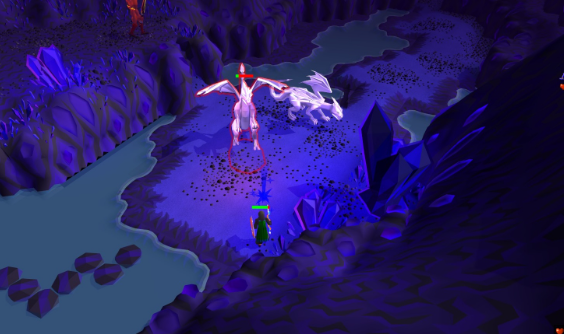
Steel dragons are one of OSRS’s most valuable mid-to-high-level monsters, beloved by players for their consistent drops of dragon bones, steel bars, and rare items like dragon platelegs or plateskirt. But these level 246 draconic foes are no easy target-they boast high defense, powerful melee attacks, and deadly dragonfire that can decimate unprepared players.

To kill steel dragons efficiently and safely, you need the right combat style, gear, location, and strategy. This guide breaks down the best methods, from melee to magic, along with key tips to maximize kills per hour (KPH) and minimize risk. And it makes it easier for you to obtain OSRS gold and other rewards.

Prerequisites for Killing Steel Dragons

Before facing steel dragons, ensure you meet these core requirements to avoid unnecessary deaths and slow kills.

Combat levels are non-negotiable: aim for at least 70 Attack, 70 Strength, and 70 Defence for melee; 70 Magic for magic setups; or 70 Ranged for ranged builds. Higher levels will drastically improve your KPH.

Dragonfire protection is essential. Steel dragons’ fire breath can hit up to 50 damage unprotected, so always bring an anti-dragon shield (or dragonfire shield) and super antifire potions-regular antifire potions are insufficient for consistent protection.

Most steel dragon locations are members-only, so free-to-play players cannot kill them directly and must trade for their drops. Additionally, some spots require quest progress, such as Shilo Village for Brimhaven Dungeon access.

The Best Combat Styles for Killing Steel Dragons

Steel dragons have distinct weaknesses: they take 50% more damage from earth spells and are vulnerable to stab attacks. The best combat style depends on your gear, skill levels, and whether you’re on a slayer task.

1. Melee: The Most Efficient Method (Slayer Tasks)

Melee is the fastest way to kill steel dragons, especially when on a slayer task (which grants a 5% XP bonus). The key is using stab weapons, as steel dragons have high slash defense but lower stab defense.

The dragon hunter lance is the best weapon-its 20% damage boost against draconic creatures makes it far superior to other options. If you don’t have it, use Osmumten’s fang or a ghrazi rapier for high stab bonuses.

For gear, prioritize high-defense armor like Bandos or Torva to reduce melee damage. A slayer helmet (imbued if possible) boosts accuracy and damage, while an amulet of torture or rancour enhances strength.

Melee setups can achieve 240+ KPH with good gear, making them ideal for slayer tasks or profit-focused grinding.

2. Magic: The Safest Method (No Slayer Task)

Magic is perfect for players who want to avoid close combat or don’t have top-tier melee gear. Steel dragons are weak to earth spells, so use Earth Wave (level 75 Magic) or Earth Surge (level 95 Magic) for maximum damage.

Equip magic armor like Ahrim’s Robes or Ancestral Robes to boost magic accuracy and damage. A slayer’s staff (e) or trident of the seas (or swamp) works well, and an amulet of power or fury enhances magic stats.

3. Ghorrock (Wilderness Option)

Ghorrock, in the northwest Wilderness, has several steel dragon spawns. Access requires progress in the Temple at Senntisten quest, and the area benefits from the Stone of Jas’s damage boost.

This spot is risky due to Wilderness PvP, but the damage boost makes kills faster. Use fairy rings (code DKS) to teleport nearby for quick access.

4. Kuradal’s Dungeon (Slayer Task Only)

Kuradal’s Dungeon has 4 steel dragons, tightly grouped for fast kills. Access requires the dragon to be assigned as a slayer task by Kuradal or Morvran.

The dungeon is close to a fairy ring (code BJQ), and the ferocious ring grants a damage bonus here. Cannons are not allowed, but the grouped spawns make melee setups highly efficient.

Essential Gear and Inventory Setup

Your gear and inventory can make or break your steel dragon grind. Here’s what to bring for each combat style:

Melee Inventory

Bring 4-6 super antifire potions, 1-2 super attack and super strength potions, and food (sharks or anglerfish). Add a bonecrusher to auto-bury dragon bones, and magic notepaper to note steel bars.

A pack yak (beast of burden) is highly recommended to carry more supplies, reducing bank runs.

Magic Inventory

Pack earth runes, water runes (for Earth Wave), super antifire potions, super magic potions, and food. A spring cleaner can auto-alch low-value drops to save inventory space.

Key Gear Add-Ons

A ring of wealth increases rare drop chances (like dragon platelegs), while a dragonfire shield reduces dragonfire damage further. For slayer tasks, a slayer helmet (imbued) is a must.

Pro Tips for Maximizing Efficiency

Follow these tips to boost your KPH and profit:

Always use super antifire potions-never rely on regular antifire, as it won’t fully protect you from steel dragonfire. Refresh the potion before it runs out to avoid taking heavy damage.

Focus on one dragon at a time. Steel dragons respawn in 8.4 seconds, so you can chain kills without waiting if you clear them quickly.

Use a bonecrusher and magic notepaper to keep your inventory clear. This lets you stay in the area longer before banking, increasing hourly kills.

If on a slayer task, use a slayer helm and accept the 5% XP bonus-this also slightly boosts drop rates for rare items.

Avoid using slash weapons for melee-steel dragons have high slash defense, so stab weapons are far more effective.

Why Kill Steel Dragons? Profit and Rewards

Steel dragons are highly profitable, with an average hourly profit of 150,000-200,000 GP. Their 100% drops include dragon bones (2,303 GP each) and 5 steel bars (2,700 GP total). If you want more gold, you can also choose to purchase cheap RuneScape gold to acquire it quickly.

Rare drops include dragon platelegs and plateskirt (1/512 chance each), rune axes, and dragon javelin heads (after completing Monkey Madness II). These can boost profits significantly.

They also grant 971.8 combat XP and 320.6 prayer XP per kill (if burying dragon bones), making them a great way to train multiple skills.

Final Thoughts

The best way to kill steel dragons depends on your playstyle: melee is fastest for slayer tasks, magic is safest for casual players, and ranged is a solid alternative. Regardless of your choice, prioritize dragonfire protection, stab/magic accuracy, and a good location.

With the right gear, strategy, and location, you’ll be able to kill steel dragons efficiently, profit consistently, and master one of OSRS’s most rewarding mid-level monsters. Gear up, grab your super antifire, and start slaying-your dragon bones and rare drops await.

OSRS Giant Foundry Guide:Level Your Smithing Efficiently

The Giant Foundry is a game-changing mini-game in Old School RuneScape that offers one of the most efficient ways to train Smithing. Whether you’re chasing level 99 or simply looking for a more engaging alternative to the traditional anvil grind, the Giant Foundry delivers solid XP, a unique gameplay loop, and worthwhile rewards.

This guide breaks down everything you need to know—from unlocking the activity to mastering its mechanics—to ensure you make the most of every trip to the foundry.

To get started, you must complete the Sleeping Giant quest. It’s a short introductory quest that teaches you the basics of the Giant Foundry and unlocks access to the mini-game.

After completing the quest, you can immediately begin using the foundry to create massive blades, earn Smithing experience, and accumulate Foundry Reputation to spend on useful gear and resources.

Unlike regular Smithing, which involves smelting bars and crafting gear at an anvil, the Giant Foundry tasks you with forging giant swords from metal alloys. The process is more interactive, requiring precision and timing to produce high-quality blades.

Core Mechanics:

Bar Input: You’ll combine 14 metal bars per sword. Different bar types (e.g., steel, mithril, adamantite, rune) influence the quality and complexity of the sword.

Mould Selection: Each day features a rotation of blade moulds. These determine the ideal bar combinations and crafting difficulty.

Blade Creation Process: You’ll move your sword through various stations—pouring, shaping, cooling, grinding, and polishing—while managing the blade’s temperature and progress.

Reputation & Rewards: Each completed sword earns coins, XP, and Foundry Reputation, which can be exchanged for unique items and tools.Level up your game with instant OSRS gold from RSgoldfast. Experience unparalleled quality and customer support – your adventure starts here!

Strategies for Optimal XP and Rewards

1.Inventory Setup

    Start with a smart inventory. Your setup should include:

    14 Metal Bars: Choose a combo that fits today’s moulds. Popular combinations include:

    Steel + Mithril (budget-friendly)

    Mithril + Adamant (balanced)

    Adamant + Rune (high XP)

    Cooling Gear (optional): Ice gloves are not needed, but stamina potions may help during long sessions.

    Mould (if unlocked): Always bring the best mould available for the current rotation.

    2.Temperature Management

      The mini-game heavily revolves around keeping your blade in the optimal temperature range:

      Shaping (Trip Hammer): Best performed when the blade is hot.

      Grinding: Requires a cooler blade—let it rest or cool it actively.

      Polishing: Should only be done once the sword is fully cooled.

      Stay in the “green zones” for each step to maintain high blade quality and maximize rewards.

      3.Focus on Reputation Rewards

        Spend your Foundry Reputation wisely. Top priorities include:

        Smiths Outfit: Grants a bonus to all Smithing XP when worn.

        Mould Upgrades: Unlock better sword types for faster XP per run.

        Ore Packs: Especially valuable for Ironmen looking to stockpile smithing materials.

        Double Ammo Mould: Tradeable and a great money-maker for mains.

        Tips for Time & Resource Management

        Always Check the Daily Moulds: Use the mould interface to ensure your bars match the day’s options.

        Batch Your Bars: Smith bars into swords in bulk to reduce trips to the bank.

        Use Foundry Plugin (RuneLite): Enables temperature alerts and progress tracking.

        Avoid Overheating or Overcooling: Timing is everything—too much deviation lowers your blade quality and rewards.

        Avoid these pitfalls that can hinder your XP gains:

        Wasting Bars on Poor Moulds: Always match your bar types to today’s active moulds.

        Letting the Blade Drop Out of Range: Mismanaged temperature = lower XP and coins.

        Ignoring Reputation: Don’t overlook the long-term benefits of reward unlocks.

        Crafting Without Checking Smithing Level: Higher levels unlock better bar combos and more efficient forging.

        The Giant Foundry is an efficient, rewarding, and enjoyable method for training Smithing in OSRS. With its engaging mechanics and worthwhile reward system, it’s far more than a simple mini-game—it’s one of the best paths to maxing your Smithing skill.

        By bringing the right bars, mastering the blade stations, and staying active in the OSRS community, you can make every foundry session count. Stick with it, and level 99 Smithing will be well within your reach.

        Need help stocking up on bars or gold to support your forging journey? Consider safe and fast cheap Runescape gold from RSgoldfast to keep your training uninterrupted.

        OSRS King’s Long Questline – Start Quest Walkthrough

        The world of Old School RuneScape is rich with quests that offer immersive storytelling and thrilling gameplay. One such quest is Start Quest, set against the backdrop of the enigmatic Sinclair Mansion. This guide will take you through every step of this gripping mystery, ensuring you uncover all crucial details along the way.

        Beginning the Investigation

        Your adventure begins outside Sinclair Mansion, where an eerie atmosphere looms over the estate. The grand structure, steeped in history, is now the center of a chilling mystery. Speak with Gossip, a local informant who shares shocking news—Anna Sinclair has been accused of murdering her father, Lord Sinclair.

        Before diving deeper into the case, gather as much context as possible. Gossip will recount his version of events, shedding light on the Sinclair family’s tangled history and Anna’s alleged involvement. His information sets the tone for the investigation and hints at underlying tensions within the family.RSgoldfast: The fastest way to earn OSRS gold and improve your gaming experience!

        Seeking Additional Clues

        After speaking with Gossip, approach a nearby guard. He harbors doubts about the official story, hinting at a larger conspiracy. The guard suspects that the Sinclair family might be scheming to reclaim Camelot, a significant claim given that Lord Sinclair had once sold Camelot to King Arthur. His suspicions add another layer of intrigue, compelling you to dig even deeper.

        However, this investigation won’t be easy. The Council of Seers, an influential governing body, has forbidden further inquiries into the case. Despite this restriction, your role as the investigator makes you the only person capable of uncovering the truth.

        Exploring the Sinclair Mansion

        Once you’ve gathered information from Gossip and the guard, it’s time to enter Sinclair Mansion. The grand entrance is both imposing and foreboding, hinting at the dark secrets hidden within. As you step inside, silence fills the halls, broken only by the creaking of the old wooden floors.

        Explore the various rooms carefully—each one may hold vital clues. Pay close attention to books, paintings, and artifacts, as they might provide insights into the Sinclair family’s past and potential motives.

        Interrogating Key Characters

        During your search, you’ll encounter several key figures within the mansion. Engaging them in conversation will provide multiple perspectives on the murder and the Sinclair family’s troubled history.

        Anna Sinclair (The Accused): You may find Anna in a secluded part of the mansion. Her reaction could range from defensive to distressed. Listen closely to her account of the events leading up to the murder—her testimony could hold clues that either prove her innocence or reveal a new suspect.

        Other Family Members & Staff: Throughout the mansion, you’ll encounter individuals with their own opinions on the Sinclairs’ legacy. Speaking with them could help you piece together the bigger picture.

        Piecing Together the Mystery

        As your investigation unfolds, it becomes clear that things are not as they seem. The Sinclairs have a history filled with secrets, betrayals, and hidden ambitions. To make sense of it all, you must think critically about the evidence you gather.

        Helpful Tips:

        Take notes on key conversations, peculiar items, and inconsistencies in the stories you hear.

        Examine the motives behind each character’s statements.

        Compare evidence to identify contradictions or hidden truths.

        With enough information, it’s time to confront the major players in this case. These confrontations will trigger a series of revelations that could shift the course of your investigation and determine Anna’s fate.

        Expect unexpected twists as you close in on the true culprit. The mystery may challenge your initial assumptions, and your choices during key moments could impact the quest’s resolution. Will you prove Anna’s innocence, or will the evidence lead you to an entirely different suspect?

        Come and achieve your goals in Old School RuneScape. buy RS gold from RSgoldfast and start your adventure! The Start Quest in OSRS is more than just another task—it’s a deep dive into storytelling, character dynamics, and the consequences of your actions. With Sinclair Mansion as the stage, this tale of deception and truth will keep you engaged from start to finish.

        How to Unlock Fairy Rings in OSRS

        Old School RuneScape (OSRS) is a game full of adventures, quests, and systems that allow players to explore the expansive world of Gielinor. One of the most valuable methods of fast and convenient travel in OSRS is the Fairy Ring network. Fairy Rings are a system of teleportation devices that allow players to travel to various locations across the game world in an instant, provided they have unlocked the rings. These rings can save you a significant amount of time by cutting down on the travel time required to reach certain destinations. Unlocking Fairy Rings is a highly sought-after goal for many players, and in this guide, we’ll explain how to unlock them, the steps involved, and the benefits they offer.

        What Are Fairy Rings?

        Fairy Rings are a network of magical teleportation portals scattered throughout the world of OSRS gold. They allow players to quickly travel to various key locations across Gielinor. The Fairy Ring system is accessed via special Fairy Rings found throughout the game world, which are operated by the Fairy Folk.

        However, Fairy Rings are not available immediately upon starting your journey. Players need to complete specific quests to access the network. Once unlocked, players can use the Fairy Rings to travel to a wide variety of locations, ranging from remote areas to key places that are hard to reach via other teleportation methods.

        Benefits of Using Fairy Rings

        Before diving into how to unlock Fairy Rings, it’s important to understand why they’re so valuable to OSRS players. Here are a few reasons why you should aim to unlock Fairy Rings:

        Fast Travel: Fairy Rings provide an incredibly fast method of transportation. For example, traveling to locations like Ape Atoll, Taverley, or Tree Gnome Stronghold becomes much quicker and easier once you’ve unlocked the Fairy Rings.

        Convenience: The Fairy Ring network is connected to many important areas in OSRS, such as Dorgesh-Kaan, Gnome Stronghold, and Fishing Guild. This can save a lot of time that would otherwise be spent running across the map.

        Combat and Skilling: Many locations accessible by Fairy Rings are ideal for skilling or combat. For example, the Ape Atoll ring is essential for players training Agility, and the Taverley ring is ideal for those training Herblore or engaging in activities like Slayer tasks.

        Quest Progression: Several quests, including Monkey Madness II and Fairy Tale II – Cure a Queen, require players to use Fairy Rings. Unlocking the system can help you progress through these quests and gain important rewards.

        Steps to Unlock Fairy Rings

        There are two main steps involved in unlocking Fairy Rings in OSRS: completing the Fairy Tale II – Cure a Queen quest and gaining access to the Fairy Ring network itself.

        Step 1: Completing Fairy Tale II – Cure a Queen

        The primary requirement to unlock Fairy Rings is completing the Fairy Tale II – Cure a Queen quest. This quest is a continuation of the Fairy Tale I – Growing Pains quest and is essential for accessing the Fairy Ring network. Below is a step-by-step breakdown of the quest and how to complete it.

        Quest Requirements:

        Fairy Tale I – Growing Pains (must be completed first).

        70 Farming (for some of the tasks in the quest).

        Access to the Fairy Ring (through the Fairy Tale I quest).

        A small amount of money (around 10,000 coins, for quest-related supplies).

        How to Start the Quest:

        Begin the quest by speaking to Martin the Master Gardener, located near Taverley in the Taverley Dungeon. He will give you the details of the quest and the tasks that lie ahead.

        Martin will tell you that the Queen of the Fairies, Lanthus, has been cursed and fallen into a deep sleep. Your goal is to cure the Queen and restore her to power.

        Main Objectives in the Quest:

        Gathering Materials: You will need to gather specific materials, including:

        An enchanted barrow seed.

        A white lily from Catherby.

        Fairy Dust from the Fairy Realm (accessible after completing a portion of the quest).

        Traveling to the Fairy Realm: This will require you to use the Fairy Ring after you unlock it, but before the actual unlocking, you will need to use the Mushroom and some specific items to access it.

        Combat: There will be combat elements, particularly with Fairy Warriors in the Fairy Realm, so be prepared with combat gear and supplies.

        Curing the Queen: The main goal is to use the items you gather to cure the Queen, using specific rituals. Once completed, you’ll be rewarded with the Fairy Ring access.

        Step 2: Accessing the Fairy Ring Network

        Once you complete Fairy Tale II – Cure a Queen, you will receive the ability to use the Fairy Ring network. At this point, you can begin traveling to various locations around the world using the rings. You will also receive the Fairy Ring codebook, which will allow you to select and enter codes for the various rings across the game world.

        Fairy Rings are activated by inputting a 3-letter code. Each code corresponds to a specific location in Gielinor, and players can use the book to look up and memorize these codes.

        To use the rings, simply find one of the Fairy Ring locations (these are scattered around the world, but most are located in Gielinor’s central and eastern regions) and activate the rings by selecting the appropriate code.

        Locations You Can Access Through Fairy Rings

        After unlocking the Fairy Ring network, you will have access to a wide variety of locations. Here are some of the most useful Fairy Ring codes that players typically use:

        1. Ape Atoll (BJP):

        Usage: Essential for the Monkey Madness II quest. You can use this ring to quickly travel to Ape Atoll, a crucial area for training Agility and completing quest requirements.

        2. Tree Gnome Stronghold (DKQ):

        Usage: This code takes you to Tree Gnome Stronghold, which is a central area for training Combat, Agility, and Slayer tasks. The Gnome Agility Course is located here.

        3. Taverley (BIP):

        Usage: This ring is useful for reaching Taverley, which is located near the Herblore and Farming areas. It’s also a convenient location for training Slayer and gathering resources.

        4. Dorgesh-Kaan (AJR):

        Usage: Dorgesh-Kaan is a hidden city beneath Lumbridge and is home to the Dwarves. This Fairy Ring code takes you directly to the entrance of the city, where you can access useful training locations and resources, especially related to Slayer and Mining.

        5. Miscellania (CIP):

        Usage: This code is used to travel to the island of Miscellania, a great location for Resource Gathering (such as Herbs and Farming). It’s essential for those who are managing Kingdom Management tasks.

        6. Keldagrim (DLQ):

        Usage: Keldagrim is a Dwarven city known for its mining and smithing opportunities. You can use this Fairy Ring to quickly reach the Keldagrim area to access the Blast Furnace and Dwarf Cannon locations.

        Tips for Using Fairy Rings Efficiently

        Keep Your Codebook Handy: The Fairy Ring network can be a bit overwhelming due to the number of codes you need to remember. It’s a good idea to keep a copy of the codebook or take note of important codes on paper or in your notes.

        Use Teleportation Items: Combining the Fairy Rings with other teleportation methods, such as Teleport Tablets and Amulet of Glory, can make travel even faster.

        Efficient Planning: Plan your activities around the Fairy Rings to maximize your efficiency. If you’re training skills like Slayer, using the Fairy Rings to quickly access relevant locations can speed up your progress.

        Accessing Locations for Quests: Many quests require you to use Fairy Rings. Having access to the Fairy Ring system can make these quests much faster and less cumbersome.

        Conclusion

        Unlocking Fairy Rings in cheap RS gold is a crucial milestone for any player who wants to streamline travel across Gielinor. The Fairy Tale II – Cure a Queen quest is your ticket to unlocking this useful feature, and once completed, the Fairy Ring network will allow you to easily access key areas for combat, skilling, and questing. Whether you’re training Agility, gathering Herbs, or completing key quests, the Fairy Ring system is one of the best tools in your OSRS arsenal.

        So, what are you waiting for? Embark on your journey to unlock the Fairy Rings and travel across the vast world of Old School RuneScape with ease!

        Old School RuneScape Is Being Review Bombed

        Old School RuneScape (OSRS), the beloved MMORPG developed and maintained by Jagex, has been a staple in the gaming community for years. Its nostalgic appeal, simple yet engaging mechanics, and vibrant player-driven economy have kept players coming back for more since its release in 2013. However, in recent weeks, OSRS has become the subject of intense scrutiny and controversy as it faces a wave of review bombing on platforms like Steam. The issue is multifaceted and involves a mix of player frustration, recent updates, and a complex relationship between players and developers. This article explores the reasons behind the review bombing, the impact on the game’s community, and the potential consequences for the future of OSRS gold.

        The Rise of Old School RuneScape

        To understand the significance of the current review bombing, it’s important to first appreciate the history and success of Old School RuneScape. OSRS is a re-release of the 2007 version of RuneScape, which was a cultural phenomenon in the early 2000s. Players were given the opportunity to relive the golden era of RuneScape with its iconic graphics, gameplay mechanics, and open-world design, which set the game apart from many modern MMORPGs.

        Jagex, the developer behind RuneScape, made the decision to create OSRS after a poll-based initiative in 2013 to bring back the classic version of the game. Since then, OSRS has been a huge success, both critically and commercially. It blends nostalgia with modern elements like regular content updates, community-driven decisions, and seasonal events, keeping it relevant in an increasingly competitive market.

        The game’s unique appeal lies in its combination of simple mechanics, deep progression, and strong player-driven economy. Whether it’s through skilling, questing, or engaging in PvP, OSRS offers something for everyone. Additionally, the developers have been dedicated to keeping the game true to its roots while introducing improvements based on player feedback, making OSRS a true example of a player-centric game.

        What Is Review Bombing?

        Before diving into the specifics of the OSRS review bombing, it’s important to understand what review bombing means. Review bombing is the practice of intentionally leaving a large volume of negative reviews for a product—often a video game or service—usually in response to a particular issue or series of events. This phenomenon typically involves coordinated campaigns where players leave scathing reviews in an attempt to express their displeasure, and it can result in an artificially low user score or rating on review platforms like Steam.

        Review bombing can be a reaction to a wide range of issues, including perceived game-breaking bugs, controversial updates, business practices, or even disagreements with the direction of the game or developer. While review bombing may bring attention to player concerns, it often has the effect of overshadowing genuine feedback, making it difficult for developers to discern the real issues that need to be addressed.

        The Trigger for OSRS Review Bombing

        The most recent review bombing campaign targeting Old School RuneScape began after a series of contentious updates were introduced to the game. The updates that sparked the most backlash were primarily focused on changes to the game’s mechanics, which some players felt were detrimental to the overall experience.

        One of the key updates that fueled the anger of many players was the introduction of “Monkey Madness II” and its associated changes to questing, PvP, and rewards. Many players felt that these updates altered the balance of the game and introduced new elements that strayed too far from the core design principles that made OSRS popular in the first place. There was a perception that the developers were prioritizing monetization and introducing “pay-to-win” elements, which led to a loss of trust among the community.

        Another point of contention was the developer’s decision to increase the frequency of in-game events, particularly those tied to microtransactions and premium content. Some players argued that this represented a shift away from the game’s roots as a free-to-play title, with monetization creeping in more visibly through the introduction of exclusive items that could only be purchased for real-world money. These changes were seen as an attempt to cater to a more casual player base, which some longtime fans felt was a betrayal of the game’s original design philosophy.

        The frustration reached a boiling point when it was revealed that Jagex had been exploring the possibility of introducing a new membership system and monetizing certain aspects of the game in ways that players had previously rejected. The idea of monetizing in-game activities like special event access, cosmetics, and even skill-boosting features added fuel to the fire, leading to a wave of negative reviews on platformslike Steam.

        The Consequences of Review Bombing

        Review bombing, while often an outlet for frustrated players, can have significant consequences for both the game and its community. When a game receives a flood of negative reviews, it can impact its overall user rating on platforms like Steam, potentially discouraging new players from joining the game. OSRS had long maintained a solid reputation with overwhelmingly positive reviews, but the review bombing has shifted that dynamic, causing the game’s rating to drop significantly.

        For Jagex, the review bombing represents a serious challenge in terms of public perception. The studio has worked hard to maintain a positive relationship with its community, and the current wave of negativity threatens to damage that reputation. Even if the review bombing is driven by a minority of the player base, it can create the illusion that the majority of players are dissatisfied with the direction the game is headed.

        However, the review bombing also provides an opportunity for Jagex to listen to the concerns of its community and reassess its approach to content updates, monetization, and player engagement. The vocal reactions from players highlight a deep divide in the player base, and the developer will need to find a way to balance the demands of both the nostalgic, hardcore fans and the more casual or monetarily invested players. Failure to address these concerns could result in a long-term decline in the player base, as discontentment festers and players migrate to other games.

        Jagex’s Response and the Future of OSRS

        In response to the review bombing, Jagex has made efforts to communicate directly with the OSRS community, seeking feedback and clarifying their stance on recent updates. The developers have acknowledged the concerns raised by players and have promised to make adjustments where necessary. This transparency is a positive sign, as it shows that Jagex is still committed to engaging with its community.

        One of the key takeaways from this situation is the importance of maintaining a balance between player satisfaction and business interests. OSRS’s long-term success has been built on a foundation of community trust, and while monetization is necessary for the game’s survival, developers must be cautious not to compromise the core values that players have come to love.

        The future of buy RuneScape gold may depend on how Jagex handles the aftermath of the review bombing. By listening to its community, adjusting content updates, and prioritizing transparency, Jagex can rebuild its relationship with the player base and restore the game’s reputation. However, if the developer ignores the concerns of its players or continues to push controversial updates, OSRS may face a decline in its once-thriving community.

        Conclusion

        Old School RuneScape is a game with a rich history and a dedicated player base, but like many long-running titles, it faces challenges as it evolves. The recent review bombing is a reflection of the tension between player expectations and developer decisions. While the review bombing is certainly disruptive, it also highlights the passion of the community and their desire to preserve the elements of the game they love.

        As Jagex moves forward, the key to OSRS’s success will lie in how it navigates this controversy. The game’s long-term appeal rests on the relationship it maintains with its players, and by prioritizing player feedback and making adjustments where necessary, OSRS can continue to thrive in an increasingly competitive market. The developers have the opportunity to turn this crisis into an opportunity for growth, but only if they are willing to listen, adapt, and remain true to the essence of what makes Old School RuneScape great.

        Unveiling the Hidden Potential of OSRS Forestry

        In the ever-evolving world of Old School RuneScape (OSRS), every update brings with it a wave of excitement and speculation. The recent introduction of the Forestry skill was no exception. As players delved into this new content, hoping to capitalize on its potential, I embarked on a unique journey with one goal in mind: to find an edge that would allow me to maximize my OSRS Gold gains or even uncover a game-breaking discovery before anyone else. What I stumbled upon was both unexpected and revolutionary, offering a fresh perspective on woodcutting training.

        The Quest for an Edge

        While many players were busy engaging in Forestry activities, I was focused on something different. My objective was clear: to uncover a method that would offer unparalleled advantages, either through financial gain or by exploiting an overlooked aspect of the update. I tested countless theories, experimented with various strategies, and meticulously analyzed every element of Forestry. What I discovered was astonishing.

        The Revelation: Not Cutting Logs

        After an exhaustive series of experiments, I found that the most effective way to train woodcutting wasn’t cutting logs at all. Instead, it involved leveraging the unique mechanics of the Forestry update in an unconventional manner. Before diving into the details, let me introduce a hidden feature within this article—a bond is concealed somewhere in the text. The first person to find it and timestamp it with their username will receive a reward, adding an extra layer of excitement to this discovery.

        The Essential Tools and Mechanics

        To understand the breakthrough, let’s first explore the tools and mechanics that played a crucial role in this revelation. One key item is the Leprechaun Charm, which provides a mobile deposit box feature. This allows players to deposit items anywhere in the game where trees are present, a function that opens up numerous strategic possibilities.

        The Nature’s Offering perk, which gives a 60-80% chance of receiving an additional log when woodcutting, was another significant discovery. Although magic logs are currently the most valuable, selling for around 900 GP each, they are often traded at lower prices due to market fluctuations. I anticipated that this perk could be used to generate substantial profits, and my calculations suggested that with a bit of luck, it was possible to make around 10K GP per hour.

        The Unexpected Profit Surge

        To my astonishment, I found that the new Forestry update could generate up to four to five million GP per hour. This was achieved not through traditional woodcutting but by exploiting the mechanics of the Leprechaun Charm and Nature’s Offering perk. Although I had unlocked all the essential items except for the Log Basket—an item that merely increases log storage capacity—I was keen to explore the full potential of this strategy.

        One intriguing aspect of the Leprechaun Charm is its ability to allow players to deposit any item into their bank, provided they summon it themselves. This mechanic could potentially be used to deposit high-value raid items directly into the bank, although this would require careful reporting to avoid any unfair advantages.

        Testing the Limits

        My quest led me to test various locations to see where the Leprechaun Charm could be used effectively. I experimented in areas such as the Wilderness and the Chamber of Xeric. Unfortunately, the Leprechaun Charm could not be spawned in the Wilderness Resource Area, which meant that the anticipated risk-reducing strategies did not materialize.

        However, I did manage to test its functionality within the Chamber of Xeric. The results were intriguing but not groundbreaking. The Leprechaun Charm’s utility was limited to depositing logs rather than any item, and this restricted its potential impact.

        The Free-to-Play Realization

        A critical realization came when I tested Forestry in free-to-play worlds. Contrary to my expectations, free-to-play players did not receive leaves from Forestry, and the anime they collected could not be spent in their shops. This meant that free-to-play players were left with standard woodcutting experiences, and the new update did not provide them with significant advantages.

        The primary benefit for free-to-play players was the XP drops from the Rising Roots event, which offered over 100 XP each time and a substantial XP drop at the end. This made it clear that the update was more about XP efficiency than financial gain for free-to-play players.

        A Paradigm Shift in Woodcutting Training

        The biggest takeaway from my exploration was the realization that the most efficient way to train woodcutting might now involve passive methods rather than direct woodcutting. For example, training agility in a Forestry world while utilizing the Leprechaun Charm for banking could offer a significant XP boost with minimal effort. Similarly, players might consider new bank-standing spots or strategic locations near trees to maximize XP gains.

        The future of woodcutting training could see players adjusting their strategies to capitalize on these new mechanics, leading to a shift in how the skill is approached. With Jagex’s careful monitoring and potential fixes, the full impact of these discoveries remains to be seen.

        Conclusion

        In summary, my journey through the new Forestry content in OSRS revealed a game-changing method for training woodcutting. By exploiting the unique features of the Leprechaun Charm and Nature’s Offering perk, players can achieve substantial profits and XP gains in ways previously unimagined. While the initial excitement may have led to some unfulfilled expectations, the broader implications of these discoveries highlight the dynamic nature of OSRS and the endless possibilities for players to explore.

        As Jagex continues to refine and update the game, it will be fascinating to see how these findings evolve and influence the OSRS community. For now, the discovery of this unconventional woodcutting strategy stands as a testament to the creativity and ingenuity of players within the ever-expanding world of Old School RuneScape.

        During this journey, you need to prepare a lot of RuneScape gold to make your journey easier and more enjoyable. RSorder.com can help you.

        The Ultimate Ironman’s Guide to Herblore in Old School RuneScape

        Old School RuneScape offers a unique challenge with its various account types, and one of the most demanding is the Ultimate Ironman. With limited storage space and the inability to trade or bank items, Ultimate Ironmen face an arduous task in training the Herblore skill. This guide will provide insights and strategies for Ultimate Ironmen looking to conquer the Herblore skill, highlighting the experiences of Schnoblin, an accomplished Ultimate Ironman.

        Embrace the Challenge:
        Understand that training Herblore as an Ultimate Ironman is a slow and complicated process. While it may seem daunting, Schnoblin emphasizes that it can be an interesting and rewarding journey. Be prepared for a long-term commitment and a unique gameplay experience.

        Herb Gathering:
        Gathering herbs is a crucial part of Herblore training. Chaos Druids are an excellent source of herbs, with drops ranging from 150,000 to 300,000 kills. Take advantage of Slayer tasks and Farming skill to acquire additional herbs and seeds. Thieving can also provide seeds for farming.

        Utilize Herb Types:
        Each herb type has its own value and purpose. Irit leaves are considered the “god tier herb” due to their valuable secondary ingredient. Ranarr-infused prayer potions are highly useful in combat. Schnoblin cleverly sourced the secondary ingredient from in-game fields, freeing up farming lots for other needs.

        Workarounds and Shortcuts:
        To maximize efficiency, implement workarounds and shortcuts in your training. Incomplete quests can provide unique processing methods to enhance the effectiveness of low-value herbs. Schnoblin leveraged this approach, accounting for a significant portion of their experience gains.

        XP Preservation:
        Maintaining an untrimmed Herblore cape adds to the challenge and prestige. Ensure that other skills do not reach level 99 while training Herblore. Carefully plan your training sessions to prevent unwanted experience gains in other areas.

        Long-Term Goals:
        Once you have achieved the ultimate Herblore milestone, consider setting new long-term goals. Schnoblin aims to obtain both the untrimmed Herblore cape and the Infernal Cape simultaneously, followed by a Max Infernal and untrimmed Herblore cape. These goals may seem ambitious, but they provide a sense of accomplishment and an exciting challenge.

        Training Herblore as an Ultimate Ironman in Old School RuneScape is a demanding and intricate endeavor. Embrace the slow and calculated nature of the grind, and be prepared for the unique challenges it presents. Learn from the experiences of seasoned Ultimate Ironmen like Schnoblin, who have successfully conquered this formidable task. With OSRS gold provide by RSorder.com, you can join the ranks of accomplished Herblore masters in the world of Old School RuneScape.