OSRS Best AFK Gold Farm 2025: The Ultimate Guide

Old School RuneScape (OSRS) has become known for its various gold farming methods, and one of the most sought-after playstyles is AFK (away from keyboard) moneymaking. Whether you’re busy with real-life tasks, watching TV, or simply looking to make some passive income in-game, AFK farming is one of the best ways to earn gold without constantly being glued to your screen. In this article, we’ll explore one of the best AFK OSRS gold farms in OSRS for 2025—located in a hidden gem within the game, and how you can make millions while barely lifting a finger.

The AFK Gold Farming Location: Vampyre Slayer Spot

The location we’re going to focus on today is one of the most effective and AFK-friendly moneymaking spots in the game: the Vampyre Slayer area. If you’ve completed the “Sins of the Father” quest, this area becomes accessible to you, and it’s a gold mine for anyone who loves AFK methods. Let’s dive into why this place stands out as one of the top gold farming locations.

Why This Location is Ideal for AFK Gold Farming

At this spot, you’re going to kill Vampyres, a monster that has several beneficial drops, including the coveted Blood Shard. Here’s why this location is so perfect for AFK gold farming:

1. No Need to Constantly Monitor Combat: The Vampyres are always aggressive, meaning once you get them to target you, you can pretty much sit back and relax. They’ll keep attacking you as long as you don’t leave the area, which makes it perfect for AFK playstyles. You don’t have to click constantly to keep them engaged.

2. Prayer Altar Nearby: One of the best features of this spot is the prayer altar located right beside the Vampyres. As your prayer drains, simply walk a few steps to the altar and recharge without having to run across the map. This ensures you don’t run out of prayer and can keep fighting longer without interruption.

3. Looting and Bank Accessibility: The area is conveniently located near a bank, which is ideal for AFK players who might not be able to keep an eye on their inventory at all times. If you pick up any items (such as the valuable Vampyre Dust), you can bank them at any time, making the gold farming process incredibly efficient.

4. Blood Shard Drops: The Blood Shard drop is one of the biggest reasons this spot is so profitable. Priced at over 10 million gold in 2025, this drop is incredibly valuable, especially for players who are aiming to make money while AFKing. The Blood Shard is also a highly sought-after item for bosses, making it doubly useful if you’re looking to invest in your future PvM (player vs. monster) activities.

How to Make the Most of This Spot

If you want to maximize your AFK gold farming experience in this area, here are a few tips and tricks to help you get started.

1. Combat Gear Setup: Since you’ll be AFK’ing here, you don’t need the highest-tier gear, but it’s recommended to wear gear that will help speed up your kills to increase efficiency. A strength-based gear setup will help you kill the Vampyres faster. You don’t need to worry too much about protecting yourself from damage, but if you’re worried about taking too much damage, you can use Protect from Melee prayers.

2. Prayer Gear & Potions: If you’re worried about running out of prayer points while AFKing, consider using Prayer-enhancing gear like the Armadyl Pendant or Prayer Potions. These items will allow you to stay AFK for longer periods without needing to recharge your prayer as often. Alternatively, you can use a prayer restore potion to boost your prayer points when necessary.

3. Looting Strategy: While you’re AFKing, you might find that items drop on the ground. Some players choose to ignore these items to keep the AFK experience as easy as possible. However, looting can be extremely profitable. Vampyre Dust, for example, now sells for 2,000 gold each in 2025. You can loot these items, high alch them, or sell them for extra gold on top of your primary drops.

4. Blood Shard: Of course, the ultimate goal is to get the Blood Shard. These drops are rare, but their value makes them worthwhile. The drop rate is random, so sometimes you might get a shard within hours, while other times it might take days. But don’t be discouraged by the grind—this method is so AFK-friendly that it’s well worth the wait.

5. AFK Management: The key to success in this spot is setting it up for maximum AFK efficiency. Runelight offers features that allow you to set up visual indicators to warn you when your prayer is low or when your inventory is full. You can set a timer or simply check in every 10-15 minutes to make sure everything’s running smoothly.

Requirements for This Method

To access the Vampyre Slayer area and enjoy this AFK method, you’ll need to meet the following requirements:

• Sins of the Father Quest: This quest unlocks the area and makes it accessible for you. If you haven’t completed this quest yet, you’ll need to put in the time and effort to finish it before gaining access to this gold farming spot.

• Some Combat Stats: While the Vampyres are not extremely high-level monsters, it’s still a good idea to have some combat stats to make the kills faster. A minimum of 70 Attacks, 70 Strengths, and 70 Defenses will make the experience smoother.

• Prayer: You’ll need some level of Prayer to use Protect from Melee and restore your prayer at the altar. Having 70 Prayers will allow you to use the high-level prayers needed to optimize your time here.

The Profit Potential

As mentioned earlier, the primary goal in this area is to collect Blood Shards, but the drops you get along the way are also worth considering.

·Blood Shard: Over 10 million gold.

·Vampyre Dust: Each piece is worth about 2,000 gold.

·Vampyre Ashes: Worth around 1,500 gold each.

·Other Loot: Includes herbs, rune items, and coins, which all add up to a respectable amount over time.

While it can take time to get a Blood Shard, the other loot makes the grind worthwhile, and you can expect to make a solid amount of cheap RuneScape gold per hour even if you don’t get one.

Conclusion: AFK Gold Farming for 2025

If you’re looking for one of the best AFK gold farming spots in OSRS for 2025, the Vampyre Slayer area is a must-try. The combination of the prayer altar, nearby bank, aggressive monsters, and the chance for valuable drops like Blood Shards makes it a top choice for both new and veteran OSRS Accounts players alike.

Whether you’re looking to make gold for bosses, improve your combat skills, or just AFK to make some passive income, this spot offers everything you need. So, grab your gear, complete the Sins of the Father quest, and start your journey to making millions while you AFK in OSRS!

Remember, RNG (random number generation) is key in OSRS—sometimes you’ll get lucky, sometimes you won’t. But with the right strategy, patience, and a little bit of luck, you’ll be on your way to making significant gold in 2025.

Happy AFKing, and may your Blood Shard drop rates be in your favor!

How to Unlock Fairy Rings in OSRS

Old School RuneScape (OSRS) is a game full of adventures, quests, and systems that allow players to explore the expansive world of Gielinor. One of the most valuable methods of fast and convenient travel in OSRS is the Fairy Ring network. Fairy Rings are a system of teleportation devices that allow players to travel to various locations across the game world in an instant, provided they have unlocked the rings. These rings can save you a significant amount of time by cutting down on the travel time required to reach certain destinations. Unlocking Fairy Rings is a highly sought-after goal for many players, and in this guide, we’ll explain how to unlock them, the steps involved, and the benefits they offer.

What Are Fairy Rings?

Fairy Rings are a network of magical teleportation portals scattered throughout the world of OSRS gold. They allow players to quickly travel to various key locations across Gielinor. The Fairy Ring system is accessed via special Fairy Rings found throughout the game world, which are operated by the Fairy Folk.

However, Fairy Rings are not available immediately upon starting your journey. Players need to complete specific quests to access the network. Once unlocked, players can use the Fairy Rings to travel to a wide variety of locations, ranging from remote areas to key places that are hard to reach via other teleportation methods.

Benefits of Using Fairy Rings

Before diving into how to unlock Fairy Rings, it’s important to understand why they’re so valuable to OSRS players. Here are a few reasons why you should aim to unlock Fairy Rings:

Fast Travel: Fairy Rings provide an incredibly fast method of transportation. For example, traveling to locations like Ape Atoll, Taverley, or Tree Gnome Stronghold becomes much quicker and easier once you’ve unlocked the Fairy Rings.

Convenience: The Fairy Ring network is connected to many important areas in OSRS, such as Dorgesh-Kaan, Gnome Stronghold, and Fishing Guild. This can save a lot of time that would otherwise be spent running across the map.

Combat and Skilling: Many locations accessible by Fairy Rings are ideal for skilling or combat. For example, the Ape Atoll ring is essential for players training Agility, and the Taverley ring is ideal for those training Herblore or engaging in activities like Slayer tasks.

Quest Progression: Several quests, including Monkey Madness II and Fairy Tale II – Cure a Queen, require players to use Fairy Rings. Unlocking the system can help you progress through these quests and gain important rewards.

Steps to Unlock Fairy Rings

There are two main steps involved in unlocking Fairy Rings in OSRS: completing the Fairy Tale II – Cure a Queen quest and gaining access to the Fairy Ring network itself.

Step 1: Completing Fairy Tale II – Cure a Queen

The primary requirement to unlock Fairy Rings is completing the Fairy Tale II – Cure a Queen quest. This quest is a continuation of the Fairy Tale I – Growing Pains quest and is essential for accessing the Fairy Ring network. Below is a step-by-step breakdown of the quest and how to complete it.

Quest Requirements:

Fairy Tale I – Growing Pains (must be completed first).

70 Farming (for some of the tasks in the quest).

Access to the Fairy Ring (through the Fairy Tale I quest).

A small amount of money (around 10,000 coins, for quest-related supplies).

How to Start the Quest:

Begin the quest by speaking to Martin the Master Gardener, located near Taverley in the Taverley Dungeon. He will give you the details of the quest and the tasks that lie ahead.

Martin will tell you that the Queen of the Fairies, Lanthus, has been cursed and fallen into a deep sleep. Your goal is to cure the Queen and restore her to power.

Main Objectives in the Quest:

Gathering Materials: You will need to gather specific materials, including:

An enchanted barrow seed.

A white lily from Catherby.

Fairy Dust from the Fairy Realm (accessible after completing a portion of the quest).

Traveling to the Fairy Realm: This will require you to use the Fairy Ring after you unlock it, but before the actual unlocking, you will need to use the Mushroom and some specific items to access it.

Combat: There will be combat elements, particularly with Fairy Warriors in the Fairy Realm, so be prepared with combat gear and supplies.

Curing the Queen: The main goal is to use the items you gather to cure the Queen, using specific rituals. Once completed, you’ll be rewarded with the Fairy Ring access.

Step 2: Accessing the Fairy Ring Network

Once you complete Fairy Tale II – Cure a Queen, you will receive the ability to use the Fairy Ring network. At this point, you can begin traveling to various locations around the world using the rings. You will also receive the Fairy Ring codebook, which will allow you to select and enter codes for the various rings across the game world.

Fairy Rings are activated by inputting a 3-letter code. Each code corresponds to a specific location in Gielinor, and players can use the book to look up and memorize these codes.

To use the rings, simply find one of the Fairy Ring locations (these are scattered around the world, but most are located in Gielinor’s central and eastern regions) and activate the rings by selecting the appropriate code.

Locations You Can Access Through Fairy Rings

After unlocking the Fairy Ring network, you will have access to a wide variety of locations. Here are some of the most useful Fairy Ring codes that players typically use:

1. Ape Atoll (BJP):

Usage: Essential for the Monkey Madness II quest. You can use this ring to quickly travel to Ape Atoll, a crucial area for training Agility and completing quest requirements.

2. Tree Gnome Stronghold (DKQ):

Usage: This code takes you to Tree Gnome Stronghold, which is a central area for training Combat, Agility, and Slayer tasks. The Gnome Agility Course is located here.

3. Taverley (BIP):

Usage: This ring is useful for reaching Taverley, which is located near the Herblore and Farming areas. It’s also a convenient location for training Slayer and gathering resources.

4. Dorgesh-Kaan (AJR):

Usage: Dorgesh-Kaan is a hidden city beneath Lumbridge and is home to the Dwarves. This Fairy Ring code takes you directly to the entrance of the city, where you can access useful training locations and resources, especially related to Slayer and Mining.

5. Miscellania (CIP):

Usage: This code is used to travel to the island of Miscellania, a great location for Resource Gathering (such as Herbs and Farming). It’s essential for those who are managing Kingdom Management tasks.

6. Keldagrim (DLQ):

Usage: Keldagrim is a Dwarven city known for its mining and smithing opportunities. You can use this Fairy Ring to quickly reach the Keldagrim area to access the Blast Furnace and Dwarf Cannon locations.

Tips for Using Fairy Rings Efficiently

Keep Your Codebook Handy: The Fairy Ring network can be a bit overwhelming due to the number of codes you need to remember. It’s a good idea to keep a copy of the codebook or take note of important codes on paper or in your notes.

Use Teleportation Items: Combining the Fairy Rings with other teleportation methods, such as Teleport Tablets and Amulet of Glory, can make travel even faster.

Efficient Planning: Plan your activities around the Fairy Rings to maximize your efficiency. If you’re training skills like Slayer, using the Fairy Rings to quickly access relevant locations can speed up your progress.

Accessing Locations for Quests: Many quests require you to use Fairy Rings. Having access to the Fairy Ring system can make these quests much faster and less cumbersome.

Conclusion

Unlocking Fairy Rings in cheap RS gold is a crucial milestone for any player who wants to streamline travel across Gielinor. The Fairy Tale II – Cure a Queen quest is your ticket to unlocking this useful feature, and once completed, the Fairy Ring network will allow you to easily access key areas for combat, skilling, and questing. Whether you’re training Agility, gathering Herbs, or completing key quests, the Fairy Ring system is one of the best tools in your OSRS arsenal.

So, what are you waiting for? Embark on your journey to unlock the Fairy Rings and travel across the vast world of Old School RuneScape with ease!

Old School RuneScape Is Being Review Bombed

Old School RuneScape (OSRS), the beloved MMORPG developed and maintained by Jagex, has been a staple in the gaming community for years. Its nostalgic appeal, simple yet engaging mechanics, and vibrant player-driven economy have kept players coming back for more since its release in 2013. However, in recent weeks, OSRS has become the subject of intense scrutiny and controversy as it faces a wave of review bombing on platforms like Steam. The issue is multifaceted and involves a mix of player frustration, recent updates, and a complex relationship between players and developers. This article explores the reasons behind the review bombing, the impact on the game’s community, and the potential consequences for the future of OSRS gold.

The Rise of Old School RuneScape

To understand the significance of the current review bombing, it’s important to first appreciate the history and success of Old School RuneScape. OSRS is a re-release of the 2007 version of RuneScape, which was a cultural phenomenon in the early 2000s. Players were given the opportunity to relive the golden era of RuneScape with its iconic graphics, gameplay mechanics, and open-world design, which set the game apart from many modern MMORPGs.

Jagex, the developer behind RuneScape, made the decision to create OSRS after a poll-based initiative in 2013 to bring back the classic version of the game. Since then, OSRS has been a huge success, both critically and commercially. It blends nostalgia with modern elements like regular content updates, community-driven decisions, and seasonal events, keeping it relevant in an increasingly competitive market.

The game’s unique appeal lies in its combination of simple mechanics, deep progression, and strong player-driven economy. Whether it’s through skilling, questing, or engaging in PvP, OSRS offers something for everyone. Additionally, the developers have been dedicated to keeping the game true to its roots while introducing improvements based on player feedback, making OSRS a true example of a player-centric game.

What Is Review Bombing?

Before diving into the specifics of the OSRS review bombing, it’s important to understand what review bombing means. Review bombing is the practice of intentionally leaving a large volume of negative reviews for a product—often a video game or service—usually in response to a particular issue or series of events. This phenomenon typically involves coordinated campaigns where players leave scathing reviews in an attempt to express their displeasure, and it can result in an artificially low user score or rating on review platforms like Steam.

Review bombing can be a reaction to a wide range of issues, including perceived game-breaking bugs, controversial updates, business practices, or even disagreements with the direction of the game or developer. While review bombing may bring attention to player concerns, it often has the effect of overshadowing genuine feedback, making it difficult for developers to discern the real issues that need to be addressed.

The Trigger for OSRS Review Bombing

The most recent review bombing campaign targeting Old School RuneScape began after a series of contentious updates were introduced to the game. The updates that sparked the most backlash were primarily focused on changes to the game’s mechanics, which some players felt were detrimental to the overall experience.

One of the key updates that fueled the anger of many players was the introduction of “Monkey Madness II” and its associated changes to questing, PvP, and rewards. Many players felt that these updates altered the balance of the game and introduced new elements that strayed too far from the core design principles that made OSRS popular in the first place. There was a perception that the developers were prioritizing monetization and introducing “pay-to-win” elements, which led to a loss of trust among the community.

Another point of contention was the developer’s decision to increase the frequency of in-game events, particularly those tied to microtransactions and premium content. Some players argued that this represented a shift away from the game’s roots as a free-to-play title, with monetization creeping in more visibly through the introduction of exclusive items that could only be purchased for real-world money. These changes were seen as an attempt to cater to a more casual player base, which some longtime fans felt was a betrayal of the game’s original design philosophy.

The frustration reached a boiling point when it was revealed that Jagex had been exploring the possibility of introducing a new membership system and monetizing certain aspects of the game in ways that players had previously rejected. The idea of monetizing in-game activities like special event access, cosmetics, and even skill-boosting features added fuel to the fire, leading to a wave of negative reviews on platformslike Steam.

The Consequences of Review Bombing

Review bombing, while often an outlet for frustrated players, can have significant consequences for both the game and its community. When a game receives a flood of negative reviews, it can impact its overall user rating on platforms like Steam, potentially discouraging new players from joining the game. OSRS had long maintained a solid reputation with overwhelmingly positive reviews, but the review bombing has shifted that dynamic, causing the game’s rating to drop significantly.

For Jagex, the review bombing represents a serious challenge in terms of public perception. The studio has worked hard to maintain a positive relationship with its community, and the current wave of negativity threatens to damage that reputation. Even if the review bombing is driven by a minority of the player base, it can create the illusion that the majority of players are dissatisfied with the direction the game is headed.

However, the review bombing also provides an opportunity for Jagex to listen to the concerns of its community and reassess its approach to content updates, monetization, and player engagement. The vocal reactions from players highlight a deep divide in the player base, and the developer will need to find a way to balance the demands of both the nostalgic, hardcore fans and the more casual or monetarily invested players. Failure to address these concerns could result in a long-term decline in the player base, as discontentment festers and players migrate to other games.

Jagex’s Response and the Future of OSRS

In response to the review bombing, Jagex has made efforts to communicate directly with the OSRS community, seeking feedback and clarifying their stance on recent updates. The developers have acknowledged the concerns raised by players and have promised to make adjustments where necessary. This transparency is a positive sign, as it shows that Jagex is still committed to engaging with its community.

One of the key takeaways from this situation is the importance of maintaining a balance between player satisfaction and business interests. OSRS’s long-term success has been built on a foundation of community trust, and while monetization is necessary for the game’s survival, developers must be cautious not to compromise the core values that players have come to love.

The future of buy RuneScape gold may depend on how Jagex handles the aftermath of the review bombing. By listening to its community, adjusting content updates, and prioritizing transparency, Jagex can rebuild its relationship with the player base and restore the game’s reputation. However, if the developer ignores the concerns of its players or continues to push controversial updates, OSRS may face a decline in its once-thriving community.

Conclusion

Old School RuneScape is a game with a rich history and a dedicated player base, but like many long-running titles, it faces challenges as it evolves. The recent review bombing is a reflection of the tension between player expectations and developer decisions. While the review bombing is certainly disruptive, it also highlights the passion of the community and their desire to preserve the elements of the game they love.

As Jagex moves forward, the key to OSRS’s success will lie in how it navigates this controversy. The game’s long-term appeal rests on the relationship it maintains with its players, and by prioritizing player feedback and making adjustments where necessary, OSRS can continue to thrive in an increasingly competitive market. The developers have the opportunity to turn this crisis into an opportunity for growth, but only if they are willing to listen, adapt, and remain true to the essence of what makes Old School RuneScape great.

Mastering Skills: Your Comprehensive Guide to Success in RuneScape

RuneScape immerses players in a vast fantasy world where skill mastery shapes your unique journey. Whether you’re an experienced adventurer or just beginning, success in RuneScape hinges on strategically developing your skills. With a variety of professions and playstyles, the game offers endless opportunities for customization.

The game’s charm lies in its versatility. Players can select from diverse professions and skill sets that resonate with their preferred playstyle. Whether you envision yourself as a formidable warrior, a skilled mage, or an expert craftsman, RuneScape caters to all aspirations. The key is to identify skills that align with your character vision and commit to mastering them. For quick enhancements, RSgoldfast allows you to earn RuneScape gold in minutes!

For those aiming for battlefield dominance, focusing on Mining and Smithing is crucial. These skills enable you to gather resources and forge powerful weapons and armor, giving you a significant combat advantage. By investing in crafting, you boost both offense and defense while creating custom gear tailored to your needs. Mastering these skills ensures you’re ready for any challenge in Gielinor.

Aspiring mages should immerse themselves in RuneScape magic systems, particularly Runecrafting and Magic. Runecrafting allows you to produce essential runes for spellcasting, expanding your magical arsenal. As you advance, you’ll access powerful spells, including elemental attacks and teleportation. Additionally, skills like Herblore enable you to craft potions that enhance your magical abilities, making you a formidable force in both combat and support roles.

If creativity calls to you, skills like Crafting, Fletching, and Woodcutting offer rewarding ways to contribute to your journey. These skills allow you to create vital items such as weapons, bows, and jewelry. Crafting opens avenues for producing valuable goods for personal use or trade, providing a steady income stream. Mastering these skills positions you as a key player in both your progression and the broader economy.

While specializing in a single skill tree has its merits, cultivating a well-rounded character can offer greater long-term versatility. Consider diversifying your skill set by investing in complementary skills. For instance, a melee warrior could benefit from Cooking to maintain health during lengthy battles, while a mage might develop Thieving to gather rare resources. A balanced skill approach equips you to handle a range of in-game challenges.

True mastery in RuneScape arises from understanding how skills interact. By unlocking synergies between your abilities, you can create powerful combinations that enhance your character’s effectiveness. For example, a skilled blacksmith can forge high-level armor and weapons, which can then be enchanted for added benefits. Maximizing these synergies will elevate your gameplay and enable you to tackle challenges from various angles.

RuneScape is constantly evolving, with regular updates and new challenges. To stay competitive, embrace a flexible mindset. Regularly assess your skills and adjust your focus to meet the game’s shifting demands. Whether it’s training a new skill to capitalize on recent updates or refining an existing one, adaptability is key to thriving in RuneScape dynamic environment.

Skill development forms the backbone of your character’s growth and success. By planning your progression thoughtfully, leveraging skill synergies, and maintaining a flexible approach, you set yourself up for long-term achievement. The journey to mastery is not just about leveling up; it’s about creating a well-rounded character capable of overcoming any challenge in Gielinor.

With the right strategy, your RuneScape adventure will evolve into a memorable journey of discovery, strategy, and achievement. Whether you’re a seasoned veteran or a newcomer, RSgoldfast provides the support you need for success in buy RS gold. With a focus on customer satisfaction, secure transactions, and fast delivery, RSgoldfast ensures you can acquire the resources necessary for your journey.

Unveiling the Hidden Potential of OSRS Forestry

In the ever-evolving world of Old School RuneScape (OSRS), every update brings with it a wave of excitement and speculation. The recent introduction of the Forestry skill was no exception. As players delved into this new content, hoping to capitalize on its potential, I embarked on a unique journey with one goal in mind: to find an edge that would allow me to maximize my OSRS Gold gains or even uncover a game-breaking discovery before anyone else. What I stumbled upon was both unexpected and revolutionary, offering a fresh perspective on woodcutting training.

The Quest for an Edge

While many players were busy engaging in Forestry activities, I was focused on something different. My objective was clear: to uncover a method that would offer unparalleled advantages, either through financial gain or by exploiting an overlooked aspect of the update. I tested countless theories, experimented with various strategies, and meticulously analyzed every element of Forestry. What I discovered was astonishing.

The Revelation: Not Cutting Logs

After an exhaustive series of experiments, I found that the most effective way to train woodcutting wasn’t cutting logs at all. Instead, it involved leveraging the unique mechanics of the Forestry update in an unconventional manner. Before diving into the details, let me introduce a hidden feature within this article—a bond is concealed somewhere in the text. The first person to find it and timestamp it with their username will receive a reward, adding an extra layer of excitement to this discovery.

The Essential Tools and Mechanics

To understand the breakthrough, let’s first explore the tools and mechanics that played a crucial role in this revelation. One key item is the Leprechaun Charm, which provides a mobile deposit box feature. This allows players to deposit items anywhere in the game where trees are present, a function that opens up numerous strategic possibilities.

The Nature’s Offering perk, which gives a 60-80% chance of receiving an additional log when woodcutting, was another significant discovery. Although magic logs are currently the most valuable, selling for around 900 GP each, they are often traded at lower prices due to market fluctuations. I anticipated that this perk could be used to generate substantial profits, and my calculations suggested that with a bit of luck, it was possible to make around 10K GP per hour.

The Unexpected Profit Surge

To my astonishment, I found that the new Forestry update could generate up to four to five million GP per hour. This was achieved not through traditional woodcutting but by exploiting the mechanics of the Leprechaun Charm and Nature’s Offering perk. Although I had unlocked all the essential items except for the Log Basket—an item that merely increases log storage capacity—I was keen to explore the full potential of this strategy.

One intriguing aspect of the Leprechaun Charm is its ability to allow players to deposit any item into their bank, provided they summon it themselves. This mechanic could potentially be used to deposit high-value raid items directly into the bank, although this would require careful reporting to avoid any unfair advantages.

Testing the Limits

My quest led me to test various locations to see where the Leprechaun Charm could be used effectively. I experimented in areas such as the Wilderness and the Chamber of Xeric. Unfortunately, the Leprechaun Charm could not be spawned in the Wilderness Resource Area, which meant that the anticipated risk-reducing strategies did not materialize.

However, I did manage to test its functionality within the Chamber of Xeric. The results were intriguing but not groundbreaking. The Leprechaun Charm’s utility was limited to depositing logs rather than any item, and this restricted its potential impact.

The Free-to-Play Realization

A critical realization came when I tested Forestry in free-to-play worlds. Contrary to my expectations, free-to-play players did not receive leaves from Forestry, and the anime they collected could not be spent in their shops. This meant that free-to-play players were left with standard woodcutting experiences, and the new update did not provide them with significant advantages.

The primary benefit for free-to-play players was the XP drops from the Rising Roots event, which offered over 100 XP each time and a substantial XP drop at the end. This made it clear that the update was more about XP efficiency than financial gain for free-to-play players.

A Paradigm Shift in Woodcutting Training

The biggest takeaway from my exploration was the realization that the most efficient way to train woodcutting might now involve passive methods rather than direct woodcutting. For example, training agility in a Forestry world while utilizing the Leprechaun Charm for banking could offer a significant XP boost with minimal effort. Similarly, players might consider new bank-standing spots or strategic locations near trees to maximize XP gains.

The future of woodcutting training could see players adjusting their strategies to capitalize on these new mechanics, leading to a shift in how the skill is approached. With Jagex’s careful monitoring and potential fixes, the full impact of these discoveries remains to be seen.

Conclusion

In summary, my journey through the new Forestry content in OSRS revealed a game-changing method for training woodcutting. By exploiting the unique features of the Leprechaun Charm and Nature’s Offering perk, players can achieve substantial profits and XP gains in ways previously unimagined. While the initial excitement may have led to some unfulfilled expectations, the broader implications of these discoveries highlight the dynamic nature of OSRS and the endless possibilities for players to explore.

As Jagex continues to refine and update the game, it will be fascinating to see how these findings evolve and influence the OSRS community. For now, the discovery of this unconventional woodcutting strategy stands as a testament to the creativity and ingenuity of players within the ever-expanding world of Old School RuneScape.

During this journey, you need to prepare a lot of RuneScape gold to make your journey easier and more enjoyable. RSorder.com can help you.

The Ultimate Ironman’s Guide to Herblore in Old School RuneScape

Old School RuneScape offers a unique challenge with its various account types, and one of the most demanding is the Ultimate Ironman. With limited storage space and the inability to trade or bank items, Ultimate Ironmen face an arduous task in training the Herblore skill. This guide will provide insights and strategies for Ultimate Ironmen looking to conquer the Herblore skill, highlighting the experiences of Schnoblin, an accomplished Ultimate Ironman.

Embrace the Challenge:
Understand that training Herblore as an Ultimate Ironman is a slow and complicated process. While it may seem daunting, Schnoblin emphasizes that it can be an interesting and rewarding journey. Be prepared for a long-term commitment and a unique gameplay experience.

Herb Gathering:
Gathering herbs is a crucial part of Herblore training. Chaos Druids are an excellent source of herbs, with drops ranging from 150,000 to 300,000 kills. Take advantage of Slayer tasks and Farming skill to acquire additional herbs and seeds. Thieving can also provide seeds for farming.

Utilize Herb Types:
Each herb type has its own value and purpose. Irit leaves are considered the “god tier herb” due to their valuable secondary ingredient. Ranarr-infused prayer potions are highly useful in combat. Schnoblin cleverly sourced the secondary ingredient from in-game fields, freeing up farming lots for other needs.

Workarounds and Shortcuts:
To maximize efficiency, implement workarounds and shortcuts in your training. Incomplete quests can provide unique processing methods to enhance the effectiveness of low-value herbs. Schnoblin leveraged this approach, accounting for a significant portion of their experience gains.

XP Preservation:
Maintaining an untrimmed Herblore cape adds to the challenge and prestige. Ensure that other skills do not reach level 99 while training Herblore. Carefully plan your training sessions to prevent unwanted experience gains in other areas.

Long-Term Goals:
Once you have achieved the ultimate Herblore milestone, consider setting new long-term goals. Schnoblin aims to obtain both the untrimmed Herblore cape and the Infernal Cape simultaneously, followed by a Max Infernal and untrimmed Herblore cape. These goals may seem ambitious, but they provide a sense of accomplishment and an exciting challenge.

Training Herblore as an Ultimate Ironman in Old School RuneScape is a demanding and intricate endeavor. Embrace the slow and calculated nature of the grind, and be prepared for the unique challenges it presents. Learn from the experiences of seasoned Ultimate Ironmen like Schnoblin, who have successfully conquered this formidable task. With OSRS gold provide by RSorder.com, you can join the ranks of accomplished Herblore masters in the world of Old School RuneScape.

RuneScape Minigames: A Forgotten Realm in Need of Revival

If you are an avid RuneScape player, you have likely found yourself exhausted from endless potion-making sessions at the Max Guild or tired of killing the same boss for hours on end with no worthwhile drops. In such moments, you may have sought solace in the mini-games, a relaxing way to take a break from the grind. However, you may have noticed a disheartening trend – hardly anyone is playing these mini-games. In this article, we will explore the various types of mini-games in RuneScape and the reasons why they have fallen into obscurity. Additionally, we will discuss potential solutions to bring life back to these once-beloved activities.

The Array of Mini-Games in RuneScape

RuneScape offers four main types of mini-games, each catering to different preferences:

Skilling Mini-Games: These games, such as Blast Furnace and Sorceress's Garden, focus on training skills without involving combat.

Combat Mini-Games: Games like Pest Control and Soul Wars revolve around battles, either between players or against NPCs.

Mixed Mini-Games: Stealing Creation is a notable example of a game that combines both skilling and combat elements.

Miscellaneous Mini-Games: The Berthorp Games Room, featuring games like Runelink and Draughts, provides players with diverse activities.

The Rewards Conundrum

One of the primary reasons why mini-games are largely abandoned lies in the rewards they offer. While they do provide enticing prizes such as cosmetic armor, Skilling outfits, XP lamps, and pets, acquiring them often requires significant time and RuneScape Gold investment. Skilling outfit pieces, for instance, can demand multiple games, and other armor pieces become obsolete for higher-level players.

With main accounts in RuneScape reaching higher levels, the rewards from mini-games lose their appeal. Players prefer engaging in more efficient activities, such as boss fights or high-level Skilling methods, where they can achieve better rewards with less time investment. As a result, the mini-games suffer from low player engagement, leading to a vicious cycle of disinterest.

Reviving the Mini-Games

To rekindle interest in mini-games and breathe new life into this neglected aspect of RuneScape, a significant overhaul of the reward system is necessary. Jagex could introduce new and unique items to the reward shops, making them valuable and appealing to higher-level players. By doing so, they can encourage players to participate in mini-games for more than just Skilling outfit pieces.

Additionally, time-locked rewards or reworks tied to major content updates could revitalize interest in mini-games. For example, when large updates, like Necromancy, are introduced, they attract a surge of players. Introducing mini-game improvements alongside these updates could draw more attention to these often-forgotten activities.

However, recent modcasts and updates have not addressed the issue of mini-games, indicating that Jagex may not currently have plans to revive this aspect of the game. This lack of attention to mini-games is disheartening for players who once cherished these activities and highlights the need for a renewed focus on their development.

Conclusion

Minigames are a valuable part of RuneScape, and they have the potential to be a lot of fun. However, in order to be successful, they need to be more rewarding, easier to find players for, and given more attention from Jagex. If Jagex can address these issues, minigames could once again become a popular part of RuneScape.

Additional Information

Here are some additional information about minigames in RuneScape:

There are over 50 minigames in RuneScape.
Minigames can be found in a variety of different locations, including cities, dungeons, and the wilderness.
Minigames can be played solo or with other players.
Minigames offer a variety of different rewards, including experience, items, and cosmetics.

RS3 Slayer Guide

There are tons of endless activities that you can perform within RuneScape, and one of these activities includes Slayer Tasks that are quite rewards for the in-game players. But before we get into that, let’s have a brief discussion about the Slayer skill. Let’s get into this rs3 slayer guide.

Introduction

It is basically a skill where you get assigned tasks from various rs3 Slayer Masters across Gielinor. During these tasks, you have to locate the monsters assigned to you and annihilate a certain amount of them. There’s an option where you can choose whether you want to do the task alone, or with another partner. To ease things up, you can add a counter on your character to keep track of the number of points you have earned by doing such tasks. It also helps in indicating your current monster kill count, and you can toggle the display whenever. The option can be found in your Skill tab (settings), just under the Slayer skill.

Slayer Monsters & Masks

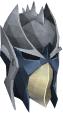
Next up in this slayer training rs3 is Slayer Monsters. Slayer Monsters are the NPCs that require a certain Slayer level to deal damage upon them. However, you can always gain an additional bonus by using items such as Slayer Masks. These masks can be bought from the Shattered Worlds’ reward shop, from the NPC named Vic the Trader, or you can simply win them off the Treasure Hunter. Slayer Masks assist in increasing your Slayer skill by granting you additional bonuses. You can also view your monster kill count by right-clicking on the mask.

There are a set of kill counts that are dedicated to every Slayer Mask, and if you exceed it, the mask will turn into a Slayer Helmet. Even though the helmet works in a similar manner, the bonuses are lessened. You can always turn the helmet back to the mask, but it’ll then only be used for cosmetic purposes and it won’t provide any additional bonuses.

Slayer Points

After completing a Slayer Assignment or a challenge given to you by one of the rs3 Slayer Masters, you will receive Slayer Points. The points entirely depend upon which master’s assignment you’ve completed, and if the assignments are more demanding, you’ll get higher Slayer Points. The most points you can have a time is 64,000, and there are other ways that you can stack up additional points. For instance, upon completing a Slayer Task, you will still receive the entire points that you’ve earned, and if you turn in Tuska Masks, you’ll get additional 20 points even if you’ve already obtained 64,000 points.

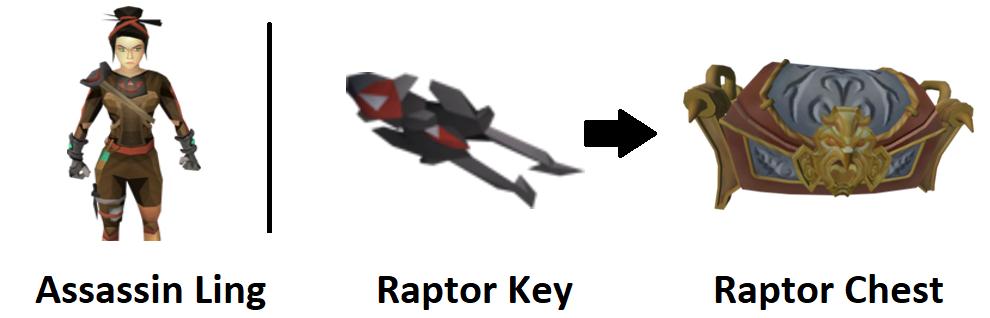
Similar to Tuska Masks, there are other ways you can earn Slayer Points, such as contracts from Assassin Ling, who will grand you eight Slayer Points for each one you complete. There’s also the Raptor Chest, which can grant you about 375 Slayer Points every time you open it. However, you’ll need a Raptor Key to open it, and the key is created using four different parts that are dropped by Slayer Monsters that require level 96 in Slayer. These monsters include Ripper Demons, Camel Warriors, Acheron Mammoths, and Wyvern. Once you have the key, you can open the chest in War’s Retreat to obtain Slayer Points.

Slayer Store

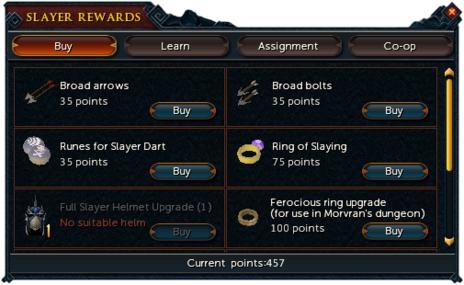
Along with learning new abilities, there are various items that you can purchase from Slayer Points. You can get 250 Broad Arrows, Broad-Tipped Bolts, or Runes for Slayer Darts for 35 Slayer Points. You can get Ring of Slaying for 75 points. You can get a Full Slayer Helmet Upgrade or Ferocious Ring Upgrade for 100 Points. A further Slayer Helmet upgrade or 10,000 Slayer EXP for 400 points, and once you’ve obtained 600 and 1,000 points, you can upgrade your Slayer Helmet further to its third or final (fourth) version, respectively.

Need More Cheap RS3 Gold Or Other Runescape Service? Rsorder Is The Best Choice!

OSRS Flipping Guide

Have you ever come across players at the Grand Exchange stating how they made money off Flipping? Well, that’s precisely what we are here to talk about today. Flipping is the process of purchasing an item at a low price and then selling it back at a higher.

It might be one of the most misunderstood money-making methods in the game. So, we’ve decided to make an item guide for players who are walking this path with the amount they have. Let’s start!

Runes

Runes are one of the most popular items to flip at the Grand Exchange. The most common ones are Air, Water, Fire, and Earth which sell for a relatively low price and have a tight buy/sell margin.

If an item has a tight margin, it becomes difficult to get profit from it. For instance, if you purchase 1,000 Water Runes at 20 GP each (just an example), and the highest you can sell them for is 21 or 22 GP, then you’re only making a 1-2 GP profit from each rune.

That’s why you should consider flipping Runes like Law, Nature, and Chaos which have a higher price and better margin.

Logs

Logs have a huge market at the Grand Exchange as players from different worlds are (even at present) trying to level up their Fire Making and Fletching. They honestly can’t be bothered to cut the logs themselves.

Due to the high volume of trades, the prices fluctuate on a greater scale, which is a good thing for you. Considering flipping Willows, Yews, and Magic Logs, and if you’re a member, you can go for Maple Logs too.

You won’t instantly get rich from flipping Logs, but the profit is 100% and it’s quick. Do remember that patience is the key. You can always pull out and try again in a few days.

Rings

Rings are higher-tier items with a significant value. You can always take a risk with your OSRS GP and try flipping rings for a change. For instance, Ring of the Gods and Ring of Nature has a wide variable margin, allowing you to make about 1 to 1.2M, but only if you know ways around the market.

We do recommend starting with low-priced items and then moving further because some items have a tight margin, thus decreasing the chances of good profit. A good example would be the Ring of Coins.

Armors

Armors have drastically declined in value since their release causing players to continue to play with customized sets instead. With that said, Armor Sets are actually popular among the flippers and sell pretty well.

However, it all depends on the item you go for. For instance, you can check out trimmed sets like Rune (G) or Bandos (G) sets, or consider flipping Monk Robes as they’re pretty good too.

Basics

No matter what happens, players always purchase base OSRS items, such as Arrows, Pickaxes, Axes, Armor Sets, and Scimitars for skilling purposes. They have an entirely different market at the Grand Exchange, at least from what we’ve previously listed in this guide.

Think of it as a real-life stock market, where you have to keep an eye out on the highest-volume item consistently. Look at the graphs from 6 months ago and compare them with what the price is right now.

For instance, if arrows are down 1-2 RSGP from what they were a few months back, then it’s a good time to enter the game. Also, these items are what you buy in huge stacks to increase the profit margin.

Capes

Capes go well with almost anything. It’s like if you don’t have a cape in OSRS, your character is butt-naked. Jokes apart, if you’re flipping regular Team capes, you’ll have noticed that there’s no rhyme to when the prices will fall or increase.

You never know when a clan comes up and says “Hey, let’s all wear Team 47 capes and head for battle, or simply roam around OSRS”. You can always purchase and add a pile of Team Capes for future profit.

Conclusion

We hope that you’re now pointed in the right direction as to whether you want to get into flipping or not. Truth be told, it’s not for everyone because there are lots of risk-takers out there manipulating prices on the go. Anyhow, we wish you the best of luck!

How to Make Your First $100,000 on Runescape

Even if you already have your starting cash you should read this section! It tells you how to make over 100k per hour easily with no skills required (although a higher woodcutting level may help).

If you are a member you can start making 100k+ per hour right away. All you need is a level one fletching and a knife. Keep the knife in your inventory and go cut normal trees. It took me two minutes to get a full load of trees and less then one minute to make them into arrow shafts. So for me, it takes me three minutes to do each round of logs into arrow shafts. You can do about 100 rounds per hour, which will be 540 logs cut into 8,100 arrow shafts. Shafts currently sell for 10 to 15 coins each (that turns the 8100 arrow shafts into 121.5K!) As you can see, you can easily make 100K plus per hour doing this. Once you get your first 100K and you wish to continue making money through arrow shafts then I suggest you get people to sell you the logs at 10 gp each. A good place to hire log cutters are the free world banks. You can pay them 10 to 25 gp per log and still make a good profit.

Another good way to make money is to buy the logs and sell to members without fletching them for 100 gp each. Note this is nearly impossible for non-member players unless they check and read the member forums often. I suggest you get about ten workers cutting you one hundred logs every ten minutes. That is 1000 normal logs every ten minutes and all you need to spend is 10k – 25k to sell for 100k. That is an 80K or 90K profit for 10 minutes of doing nothing!

If you are a member and you wish to make 180k+ an hour then all you have to do is run nature runes. It takes no skill and it takes about three minutes time per run. That makes twenty loads per hour. Twenty loads of twenty-seven nature runes are equal to 540 nature runes per hour (or 189K). You can check the Runescape forums if you need to find people hiring runners. If you were to sell the nature runes for 400 each it makes 219K an hour. This is twice the price of yews and is done in half the time as a full load of yew logs. That is why yew logs are NOT a good way to make money.

These are all great ways to become a member, plus the usual skill benefits, quests and everything else that Jagex uses to attract you to the member game.

Now, if you are a free player the quickest and most efficient way of making your first 100K is killing chickens (yes, chickens!). Kill the chickens and collect the feathers, it actually makes a great business for low level players to make money. Every chicken you kill will drop 5 to 15 feathers, which can sell for 10 to 15 GP each. So, that is 50 – 255 gold coins for each chicken that you kill. Below is the list of the possible income for each chicke killed

5 feathers = 50 – 75 gold
10 feathers = 100 – 150 gold
15 feathers = 150 – 225 gold

You can easily get 10K feathers in five hours of work. Once you have 10K feathers you can sell them by looking for a buyer in the Runescape member forums. You should get somewhere between 100K to 150K for your 10K feathers. You could also shear sheep until you get 1000 balls of wool (which do sell high if in bulk). Get at least 1000 wool if you choose this route. This takes a long time to do so I recommend that you kill chickens instead. There is also an option to buy the feathers from other players for 1 – 3 GP each. A lot of people will easily sell for that price. Once you reach 10K feathers sell them in the same way I mentioned above.

For the higher-level free players I suggest you mine iron ore until you have 1000 of them. These will sell for 100 gp each and will make you 100k easy. You could also fish and cook lobsters until you have 500 of them and then sell for 200 each (100K). Now that you have your first 100K (or your starting money) then you can start really making a profit.