
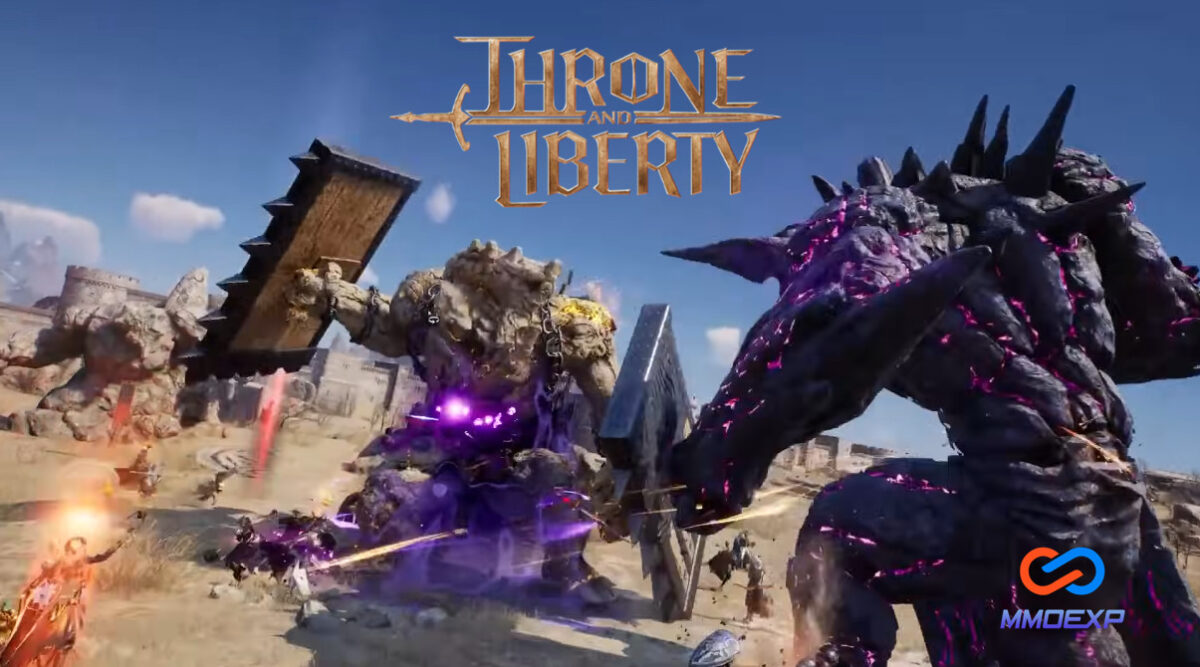
Throne and Liberty: What is Combat Power, and How to Check It?

Throne and Liberty, developed by NCSOFT, is an upcoming massively multiplayer online role-playing game (MMORPG) that has captured the attention of gamers with its open-world design, immersive mechanics, and high-stakes PvP battles. Among the various features that contribute to a player’s progress and success in the game, Combat Power (CP) stands as one of the most crucial metrics for measuring a character’s strength and effectiveness in battle. Whether you are a seasoned MMO player or a newcomer to the genre, understanding Combat Power is essential to mastering the game.

This article will dive deep into the concept of Combat Power in Throne and Liberty, explaining what it is, how it affects gameplay, and the steps you can take to check and improve your CP in the game.

What is Combat Power in Throne and Liberty?

Combat Power is a measure of a player’s overall strength in TL Lucent. It is a numeric value that indicates the effectiveness of a character in combat scenarios, whether in PvE (Player vs. Environment) or PvP (Player vs. Player) situations. Essentially, Combat Power acts as a way for the game to quantify how strong a player’s character is, taking into account multiple factors that influence performance in fights.

In most MMOs, Combat Power is an aggregate score that considers the combined effectiveness of different attributes, including your character’s gear, level, skills, and other modifiers. This score can help players quickly assess where they stand in terms of strength compared to other players or NPC enemies, and it serves as a guide for progression through different content tiers in the game.

Why is Combat Power Important?

Understanding Combat Power is critical for several reasons in Throne and Liberty. Here’s why it is such a vital aspect of the game:

Character Progression: Combat Power directly influences a player’s ability to tackle higher-level content. As you increase your Combat Power, you’ll be able to challenge stronger enemies, participate in tougher raids, and take on more difficult PvP competitions. Without a high enough CP, certain content may be inaccessible or overwhelming.

PvP Success: PvP is a cornerstone of Throne and Liberty, and your Combat Power plays a massive role in determining how you fare against other players in combat. Higher CP gives you a distinct advantage, as it usually correlates with stronger gear, abilities, and overall combat readiness.

Team Composition: Combat Power also helps in creating balanced teams for group content. Whether you’re assembling a party for a dungeon, raid, or other cooperative activities, knowing each player’s CP allows you to assess whether the team will be able to handle the encounter.

Competitive Ranking: Many MMOs feature leaderboards or competitive events where players are ranked based on their Combat Power. In Throne and Liberty, having a high Combat Power is often a prerequisite to being competitive in these events, whether it’s in tournaments, guild battles, or server-wide challenges.

Progression Through Game Content: As you improve your Combat Power, you will unlock more content in Throne and Liberty, including tougher enemies and harder challenges. This is part of the game’s progression loop, where increasing your CP is necessary for accessing the most challenging and rewarding experiences.

What Affects Combat Power?

Several factors contribute to the calculation of your Combat Power in Throne and Liberty. These elements interact with one another and play a role in determining your overall score. Here are the primary factors that influence CP:

1. Gear and Equipment

Your character’s gear (weapons, armor, accessories) is one of the most significant contributors to your Combat Power. Higher-level and better-quality gear provide better stats, including increased damage output, defense, and health. Upgrading gear (whether through crafting, enhancing, or enchanting) will directly increase your CP.

Weapons: The power of your weapon plays a major role in boosting your CP. Better weapons not only increase the amount of damage you can deal but also often come with additional special effects that enhance your combat prowess.

Armor: Stronger armor increases your survivability in combat by boosting your defense, resistances, and health. This makes armor an important contributor to your CP score.

Accessories: Rings, necklaces, and other accessories also provide stat boosts that impact CP. These often enhance things like critical hit rate, mana regeneration, and other attributes.

2. Character Level

Your character’s level is another crucial aspect of Combat Power. As you level up, your base stats (such as health, mana, attack power, and defense) improve, which naturally leads to an increase in your CP. Higher levels unlock access to more powerful abilities, which further contribute to your overall combat effectiveness.

3. Skills and Abilities

Skills and abilities directly affect your combat capabilities. A character’s Combat Power will increase as you unlock and upgrade these skills. This includes both active skills used in battle and passive abilities that enhance various attributes.

Active Skills: Offensive, defensive, and utility abilities used in combat. These increase in power as you level them up, contributing to your overall combat effectiveness.

Passive Abilities: These abilities affect your stats or provide other bonuses that can increase your CP indirectly. For example, passive abilities might increase your damage resistance, health regeneration, or critical damage.

4. Attributes and Stats

Each character has different attributes that influence their CP. These attributes may include strength, agility, stamina, intelligence, and others that impact various aspects of gameplay.

Strength: Affects physical attack damage and defense.

Agility: Impacts movement speed, attack speed, and evasion.

Intelligence: Affects mana pool and magic-related stats.

Stamina: Influences your total health pool and resistance to certain debuffs.

5. Pet and Mounts

In Throne and Liberty, pets and mounts can also impact Combat Power. They often provide additional stats, special abilities, or buffs during combat. For example, some pets might boost your damage output or increase your movement speed, indirectly raising your CP.

6. Crafting and Enhancing Gear

Gear enhancement, crafting, and reforging are essential for improving your Combat Power. Crafting allows you to forge higher-tier items, and enhancing or upgrading existing gear can significantly increase the stats and bonuses provided by the equipment.

How to Check Your Combat Power

Checking your Combat Power in Throne and Liberty is relatively straightforward. Here’s how you can do it:

1. Accessing the Character Menu

In the game, the Combat Power of your character is usually displayed in the character menu or status screen. This is typically accessible through the main user interface by selecting your character’s portrait or through an in-game menu that shows your overall stats.

2. Character Info Screen

Once you access the character menu, there should be a tab or section that shows your current Combat Power. This will include a number that represents your total CP, as well as a breakdown of what’s contributing to your score. Some games also display comparisons of your CP with other players, allowing you to gauge your standing relative to others.

3. Third-Party Tools (Optional)

Some players prefer to use third-party tools or websites to track and check their Combat Power, especially if there is no in-depth in-game breakdown. These tools allow for more detailed analysis and tracking of your progression over time.

How to Improve Your Combat Power

Improving your Combat Power is a gradual but rewarding process. Here are some key tips to help boost your CP in Throne and Liberty:

Upgrade Gear: Focus on upgrading your weapons and armor. Look for higher-quality gear as you level up, and don’t forget to enhance and enchant your equipment.

Level Up Your Character: Make sure to level up your character to unlock more abilities and increase your base stats.

Enhance Your Skills: Regularly improve and upgrade your skills to increase their effectiveness in combat.

Focus on Attribute Boosts: Invest in stats that complement your character’s class and role, enhancing your effectiveness in combat.

Craft and Enhance Equipment: Take advantage of the crafting and enhancement systems in Throne and Liberty to increase the strength of your gear.

Optimize Pets and Mounts: Don’t neglect your pets and mounts, as they can provide valuable bonuses to your CP.

Conclusion

Combat Power in cheap Throne and Liberty Lucent is one of the key metrics that will determine your strength in battle. It encapsulates your character’s gear, level, abilities, attributes, and other factors that contribute to your overall power. By understanding how Combat Power works and regularly checking your CP, you can ensure that your character is always prepared for the challenges that lie ahead.

Whether you are looking to dominate PvP, clear difficult dungeons, or simply explore the vast world of Throne and Liberty, improving your Combat Power will be one of your main goals throughout the game.

Throne and Liberty: 7 Weak Weapon Combos That Make the Game Harder

In Throne and Liberty, a vast, immersive MMORPG developed by NCSOFT, players are given a wide array of weapon combinations and character abilities to explore as they venture through its rich world. However, not all weapon combos are created equal. Some can make your gameplay smoother and more enjoyable, while others can present considerable challenges. There are certain weapon pairings that, when combined, can create significant difficulties, both in terms of combat efficiency and overall progression.

In this article, we will delve into 7 weak weapon combinations in Throne and Liberty that can make the game significantly harder. These pairings struggle to provide the versatility, damage output, or survivability needed in tougher encounters, making them less than ideal for players looking to succeed in this dynamic world.

1. Sword and Shield + Staff

One of the more unconventional pairings in Throne and Liberty Lucent, combining a sword and shield with a staff is a recipe for frustration. On paper, these two weapons seem like they should complement each other; the sword and shield offer defensive prowess while the staff provides magical range and AoE damage. Unfortunately, the reality is much less harmonious.

The sword and shield combo is built for tanking, focused on defense, durability, and holding enemies at bay. The staff, on the other hand, is tailored for mages and spellcasters, relying on distance and spells to deal damage. The issue with this combo lies in their roles: the sword and shield combo is designed for close-quarters combat and defense, while the staff demands you stay at a distance and focus on casting spells.

As a result, players who choose this combination find themselves unable to excel at either role. They struggle to tank effectively due to lackluster offensive capabilities, and they can’t fully embrace the mage role due to the defensive nature of the sword and shield. The result is a disjointed playstyle that leaves players vulnerable, especially in group combat or PvP encounters where synergy is key.

Key Problems:

Lack of offensive power from the sword and shield.

Difficulty casting spells effectively due to proximity combat demands.

Poor synergy between defensive and ranged playstyles.

2. Greatsword + Bow

While both the greatsword and the bow are formidable weapons in their respective right, combining them into one character’s arsenal can create problems for players looking for a streamlined, efficient combat experience.

The greatsword is a weapon designed for high damage output, cleaving through enemies with powerful melee swings. It thrives in close-range combat where the player can deal devastating blows up close. The bow, however, is a ranged weapon best suited for picking off enemies from a distance, with an emphasis on precision and positioning.

When paired together, this combination becomes a jarring mismatch. The greatsword requires the player to close the gap and engage enemies in melee range, but once they do, their ranged bow abilities become irrelevant. Similarly, when attempting to use the bow at a distance, the greatsword’s slow attack speed and cumbersome moveset leave players unable to deal with threats effectively.

This combination forces the player into a state of constant repositioning and switching between ranged and melee combat, which can lead to inefficient rotations, poor damage output, and vulnerability during the transition between weapons.

Key Problems:

Constant need to switch between melee and ranged combat disrupts fluid gameplay.

The greatsword’s slow attack speed doesn’t mesh well with the ranged playstyle of the bow.

Ineffective against enemies that require a more specialized approach, such as fast-moving or ranged foes.

3. Dagger + Heavy Crossbow

Dagger and heavy crossbow make for one of the most odd and ineffective weapon combos in Throne and Liberty. On paper, the dagger is an agile, close-range weapon that focuses on quick strikes and mobility. The heavy crossbow, in contrast, is a slow, cumbersome weapon designed for long-range precision and high damage output.

The issue with this combination lies in their inherent contradictions. The dagger excels in situations where speed, precision, and close-range combat are necessary. Its light weight and fast attack speed allow players to quickly deal with foes at close range. Meanwhile, the heavy crossbow excels in long-distance encounters where damage output and aim are crucial.

By combining these two, players are left unable to fully leverage the strengths of either weapon. The heavy crossbow’s slow reload time and cumbersome handling make it impractical in close-quarters combat, where the dagger excels. Similarly, the dagger’s rapid attack speed becomes irrelevant when attempting to use a weapon that requires careful aiming and long-distance engagement.

Key Problems:

Poor synergy between close-range and long-range combat.

The heavy crossbow’s slow reload time makes it ineffective in high-speed situations.

Dagger’s fast pace doesn’t align with the crossbow’s slow, precise nature.

4. Spear + Staff

The spear is a versatile weapon, known for its long reach and ability to poke enemies from a distance in close combat. The staff, on the other hand, is primarily a magical tool designed for casting powerful ranged spells. While both weapons serve distinct purposes, they do not complement each other well when used in tandem.

The spear demands precise positioning and timing in combat, with the user needing to close the gap to deal effective damage. The staff, however, is better suited for players who wish to maintain distance from enemies, utilizing spells to damage foes from afar. This makes it difficult for players to coordinate their movements and actions when forced to constantly juggle between using the spear for melee attacks and the staff for casting spells.

Additionally, the spear’s reliance on positioning means that the player has to get in close to enemies, negating the benefits of the staff’s ranged abilities. Conversely, when trying to engage at range, the spear’s lack of projectile capability makes it difficult to keep up with enemies at a distance.

Key Problems:

The spear’s close-range nature makes it hard to use in combination with the ranged staff.

Requires constant repositioning, making it difficult to maximize both weapon types.

Weakness against enemies that are hard to approach.

5. Axe + Heavy Crossbow

The combination of an axe and heavy crossbow presents similar problems as the dagger and crossbow pairing, but with slightly different issues due to the axe’s characteristics. The axe is designed to deal devastating single-target damage with heavy swings and is great for up-close combat against tougher enemies.

However, the heavy crossbow is a slow, powerful ranged weapon that takes time to reload and aim. The slow pace of the axe player, who typically focuses on powerful but slow strikes, becomes counterproductive when switching to the ranged crossbow, which requires careful targeting and precision. This pairing becomes frustrating because, at close range, the player is better suited for melee combat, and at long range, the crossbow becomes cumbersome.

The major problem with this combination is the inability to deal efficiently with both melee and ranged threats. The axe is too slow for effective ranged combat, while the crossbow cannot function effectively in close-quarters, especially when the player is focused on axe swings.

Key Problems:

Slow melee and slow ranged combat make this combo unappealing.

Inefficiency when facing fast-moving or ranged enemies.

Difficulty executing quick transitions between weapon types.

6. Dual Daggers + Greatsword

Dual daggers excel at fast-paced, high-damage, and agile attacks, perfect for players who want to focus on high mobility and quick strikes. The greatsword, on the other hand, excels at powerful, slow strikes and sweeping attacks designed for crowd control and heavy damage against a few enemies.

Combining dual daggers and a greatsword is a mismatch in playstyles. The dual daggers require the player to dart around the battlefield, quickly switching between enemies, while the greatsword demands slower, more calculated movements. Players trying to juggle both weapons at once will find it difficult to commit to one fighting style without leaving themselves open or losing effectiveness.

While the daggers may work in skirmishes against weaker enemies, the greatsword is more suited for tanking and crowd control, which makes it difficult to integrate into a fast-paced, high-damage playstyle.

Key Problems:

Dual daggers demand speed and mobility, while the greatsword requires slower, more deliberate movements.

Difficulty in switching between two vastly different combat styles.

Low versatility in combat against multiple or high-health enemies.

7. Hammer + Bow

Lastly, the combination of a hammer and a bow is another example of a pairing that struggles to make sense in Throne and Liberty. The hammer is a heavy, blunt weapon meant for close-range combat with devastating hits, while the bow is designed for ranged attacks with precision.

The primary issue with this combo is the discrepancy between the close-range nature of the hammer and the ranged precision of the bow. Players trying to make use of both will find it difficult to switch between the two in the heat of battle, as they demand entirely different approaches. The hammer’s slow swing speed and heavy hits make it unsuitable for long-range combat, while the bow becomes ineffective in close-quarters combat against enemies who are too close to target.

Key Problems:

The hammer’s slow, powerful swings contradict the ranged precision needed for the bow.

Inefficient at handling both ranged and close-quarters threats.

Difficult to switch between two weapon types that require entirely different combat approaches.

Conclusion

While TL Lucent for sale offers a wide range of weapons and playstyles, these seven weapon combinations represent some of the least effective pairings in the game. Players choosing these combinations will face challenges in terms of combat efficiency, versatility, and overall effectiveness. To succeed in the world of Throne and Liberty, players should carefully consider their weapon choices, focusing on combos that complement each other and provide synergy for both offense and defense.

Understanding the weaknesses of these combos will help you avoid frustration and ensure that your journey through the game is both rewarding and manageable.

Throne and Liberty: Class and Weapon Guide

Throne and Liberty (T&L), developed by NCSOFT, is an expansive MMORPG set in a fantasy world brimming with magic, ancient lore, and an array of combat options. One of the game’s core features is its deep and customizable combat system, which revolves around the synergy between your character’s class and weapon. Whether you’re a seasoned MMORPG player or new to Throne and Liberty, understanding how to choose your class and weapon is crucial to maximizing your potential in the game.

In this detailed guide, we’ll explore the various classes and weapons available in TL Lucent, discussing their unique strengths, playstyles, and synergies. By the end of this guide, you’ll have a clear understanding of how to tailor your character’s loadout to match your preferred combat style, whether you favor tanking, ranged attacks, or powerful spellcasting.

1. Classes in Throne and Liberty

In Throne and Liberty, the class system is designed to provide players with flexibility and variety in how they approach combat. Classes in the game are generally divided into categories based on their role in combat: damage dealers (DPS), tanks, and support healers. Each class offers unique abilities and playstyles that can drastically change how you engage in combat and interact with other players.

A. Warrior

The Warrior is a classic archetype focused on close-range combat and defense. Warriors are tanks in most MMORPGs, but in Throne and Liberty, they can also deal significant damage when equipped properly. They are excellent for players who prefer being at the frontlines, soaking up damage, and dishing out powerful attacks.

Role: Tank/DPS

Primary Attributes: Strength, Endurance

Weapons: Swords, Greatswords, Axes, Maces

Playstyle: Warriors excel at taking damage and disrupting enemies. They have access to powerful crowd control abilities, such as stuns, knockdowns, and taunts, making them ideal for leading the charge in battles and controlling large groups of enemies. Warriors typically use heavy armor and shields for protection.

Key Abilities:

Shield Bash: A stun ability that interrupts enemy actions.

Cleave: A powerful area-of-effect (AoE) attack that hits multiple enemies.

Taunt: Forces enemies to target the Warrior, making them an excellent tank in group combat.

B. Archer

The Archer class specializes in ranged combat, providing high damage output from a distance. Archers are damage dealers (DPS) and are known for their agility and ability to kite enemies. With rapid firing abilities and powerful precision shots, Archers excel in dealing sustained damage, especially in PvP scenarios.

Role: Ranged DPS

Primary Attributes: Agility, Dexterity

Weapons: Bows, Crossbows

Playstyle: Archers rely on mobility and precision, making them highly effective in open-world PvP or large-scale battles. They can also apply status effects such as poison or slow to cripple their enemies.

Key Abilities:

Piercing Shot: A powerful ranged attack that pierces through multiple enemies.

Poison Arrow: Applies poison damage over time.

Evasive Roll: A mobility skill that allows the Archer to quickly dodge out of danger.

C. Mage

Mages are the spellcasters of Throne and Liberty. They harness the elements of fire, ice, and lightning to deal massive damage from a distance. While they don’t have the same defensive capabilities as other classes, Mages can control the battlefield with devastating AoE abilities and crowd control spells.

Role: Ranged DPS/Support

Primary Attributes: Intelligence, Wisdom

Weapons: Staves, Wands, Orbs

Playstyle: Mages are highly versatile, capable of dealing high burst damage, controlling enemy movement with AoE spells, or buffing allies with utility spells. However, they have low mobility and must rely on their positioning to avoid being caught in close combat.

Key Abilities:

Fireball: A high-damage, direct target spell that explodes on impact.

Frost Nova: A crowd control ability that freezes enemies in place.

Teleport: Allows the Mage to quickly move to another location, helping with both offense and defense.

D. Rogue

Rogues are stealthy and agile fighters, excelling at burst damage and crowd control. They can operate in both solo and group content, often functioning as assassins or scouts. Rogues are highly mobile and can dish out significant damage in the blink of an eye before disappearing back into the shadows.

Role: DPS (Burst/Single-target)

Primary Attributes: Dexterity, Agility

Weapons: Daggers, Short Swords, Throwing Knives

Playstyle: Rogues excel in quick, high-damage strikes, focusing on single-target burst damage. They are often used in PvP for ganking or in PvE to take down high-priority targets. They can also use stealth mechanics to avoid combat or set up ambushes.

Key Abilities:

Backstab: A powerful attack that deals massive damage from behind the enemy.

Smoke Bomb: Disorients enemies and allows the Rogue to escape.

Shadowstep: Teleports the Rogue behind the target, setting them up for devastating attacks.

E. Paladin

Paladins are a hybrid class that combines the tank role with support healing abilities. These holy warriors focus on protecting allies while dishing out damage in a balanced manner. Paladins often serve as the backbone of group content, acting as both damage absorbers and healers when needed.

Role: Tank/Support

Primary Attributes: Strength, Wisdom, Vitality

Weapons: Maces, Swords, Shields

Playstyle: Paladins are the quintessential support class, capable of protecting allies, dealing damage, and healing. Their balance between tanking and healing makes them a flexible choice for group PvE content, particularly in dungeons and raids.

Key Abilities:

Divine Shield: A defensive cooldown that grants temporary invincibility.

Healing Aura: A healing ability that regenerates health for nearby allies.

Holy Strike: A melee attack infused with holy magic, dealing damage and healing allies.

2. Weapons in Throne and Liberty

In Throne and Liberty, weapons are not just tools for combat—they define the effectiveness and playstyle of your character. Each class has access to specific weapon types, and the synergy between your class and weapon can significantly impact your combat strategy.

A. Swords and Greatswords

Swords and Greatswords are the primary weapons for the Warrior and Paladin classes. Swords are fast and versatile, offering a balance of speed and damage. Greatswords, on the other hand, are slower but deal massive damage and often have AoE properties.

Swords are ideal for those who prefer a balanced, fast-paced combat style with a focus on quick strikes and mobility.

Greatswords are better for players who prefer heavy damage and AoE abilities but can handle slower attack speeds and positioning.

B. Bows and Crossbows

Bows and Crossbows are the weapons of choice for Archers. Bows are quick and allow for rapid-fire attacks, while Crossbows are slower but pack a punch in terms of individual shot damage.

Bows excel at rapid-fire, mobile combat, making them great for kiting and ranged DPS.

Crossbows deliver higher single-shot damage, useful for players who prefer precision and higher burst damage.

C. Staves and Wands

Staves and Wands are magical weapons used by Mages. Staves typically have a wider range of elemental affinities, and they allow Mages to cast a variety of spells with greater potency. Wands, on the other hand, are faster to cast but are often weaker in terms of overall spell damage.

Staves offer a broader array of spells and often have bonuses to elemental damage, making them ideal for versatile spellcasting.

Wands provide quicker casting speeds, which is useful for Mages who want to continuously dish out high damage in rapid succession.

D. Daggers and Short Swords

Daggers and Short Swords are the weapons of choice for Rogues. These weapons focus on agility and speed, allowing Rogues to deliver quick, high-damage strikes. Daggers are particularly suited for stealth-based playstyles, while Short Swords are more about mobility and precision.

Daggers are ideal for stealthy, burst damage attacks, especially in PvP settings where surprise and mobility are key.

Short Swords offer a balanced approach to speed and damage output, making them perfect for agile fighters who need to move quickly in combat.

E. Maces and Shields

Maces and Shields are central to the Paladin and Warrior classes. Maces are slow but deal massive damage, while Shields are defensive items used to absorb incoming damage. Paladins typically use these weapons in tandem to protect themselves and their allies while dealing moderate damage.

Maces are great for dealing high single-target damage, especially when combined with defensive skills.

Shields are essential for tanking, providing both defense and utility with abilities that reduce incoming damage and protect allies.

Conclusion

In Throne and Liberty, choosing the right class and weapon is essential to optimizing your gameplay experience. Whether you prefer dealing damage from afar with a bow, tanking heavy hits with a sword and shield, or casting powerful spells with a staff, the game offers a wide variety of combat roles and playstyles to suit every type of player. Understanding the strengths and weaknesses of each class and weapon will help you tailor your approach to combat, maximizing your potential in both PvE and PvP content.

Ultimately, your choice of class and weapon will depend on your preferred playstyle—whether it’s a hard-hitting warrior, a sneaky rogue, or a spell-slinging mage. No matter what path you choose, TL Lucent for sale offers endless possibilities for customization and strategy, ensuring that every adventurer finds their perfect role in the vast world of the game.

Throne and Liberty: Guide to Armor Upgrading

Greetings, fellow adventurers! In this installment, we’ll delve into the intricacies of armor upgrading, ensuring you emerge victorious in battle with the coveted Chad armor. Join me on this quick journey to unlock the secrets of enhancing your gear and defeating foes with style.

Location and Contract Coins:

Every day when you log into the game, make your way to Vienta Village, where the Contract Coin Merchant awaits. Located near the village center, this essential NPC is the key to acquiring the resources needed for armor upgrades. No guild membership is required for this process.

Contract coins are earned by completing contracts, and you can amass them by actively participating in various game activities. In addition, a separate article on contracts is promised, where their intricacies will be explored further. These coins can then be exchanged for growth stones, the vital components for leveling up your armor.

Armor Growth Stones:

The growth stones come in different varieties, each serving a specific purpose in the enhancement process. The three main types are quality weapon growth stones, quality armor growth stones, and quality accessory growth stones. Purchasable from the Contract Coin Merchant, these stones are the linchpin of your armor upgrading strategy.

Intriguingly, there are rare variants of these stones, but acquiring them is more challenging due to their scarcity. However, the benefits they offer are substantial, making them worthwhile investments for leveling up higher-tier armor and accessories.

Crafting and Upgrading:

To kickstart the armor upgrading process, visit the armor crafter in Vienta Village. Here, you can find various armor pieces and accessories available for crafting. The upgrade path includes blue, purple, and even higher-tier armor, each requiring specific growth stones.

The crafting process involves using armor materials, which can be obtained by spending gold. The real magic happens when you upgrade these growth stones from the basic green to the advanced blue and then to the elusive purple. Remember, upgrading higher-tier armor requires growth stones of the same tier.

Live Upgrade Demonstration:

In a live demonstration, our content creator showcases the process of leveling up a piece of armor. With a level 4 headpiece in hand, the goal is to reach level 5 for enhanced stats. Emphasizes the importance of daily purchases of growth stones from the Contract Coin Merchant, as they replenish every 24 hours.

The crafting of growth stones involves a Throne and Liberty Lucent investment, and higher-tier stones may require additional rare materials. Each upgrade attempt has a success rate, influenced by the type of growth stone used. Common, intermediate, greater, and special success rates determine the amount of experience gained.

Accessories and Beyond:

The upgrading process extends beyond armor to include accessories. Demonstrates how to upgrade a belt, emphasizing the need for growth stones specific to the accessory category. The importance of balancing upgrades across all equipment is highlighted, ensuring a well-rounded and formidable character.

Quests and Exploration:

To augment your growth stone collection, engaging in exploration content and completing quests is crucial. Briefly touches on the benefits of regional exploration quests, which reward growth stones upon completion. These quests offer a variety of growth stones, allowing players to choose between weapons, armor, and accessories based on their needs.

Event Opportunities:

An ongoing festival event in the game provides an additional avenue for acquiring growth stones. By participating in dungeons and accumulating event coins, players can purchase more growth stones to expedite their upgrading process. The availability of different stones allows for strategic choices based on individual progression goals.

Conclusion:

This comprehensive guide has demystified the armor upgrading process in Throne and Liberty. From daily contracts to crafting growth stones and strategic upgrading, players now know how to fortify their characters and face the challenges that await in the realm.

As the game evolves, promises more in-depth content on contracts, exploration, and additional facets of the gaming experience. Whether you prefer short and informative articles or longer, more detailed content, your commitment to delivering valuable insights remains unwavering. Stay tuned for more tips and tricks as you embark on your Throne and Liberty journey. And buy TL Lucent through MMOexp website, you will get more discounts.